The Canadian Explorer
The Canadian ExplorerDiscover Canada · Explore Beyond

Seasonal Travel

Canada in four acts.

From spring cherry blossoms to the winter aurora — a season-by-season guide to the best time to explore every corner of the country.

Plan my seasonal trip →
Spring

March – May

Spring

March – May

Spring

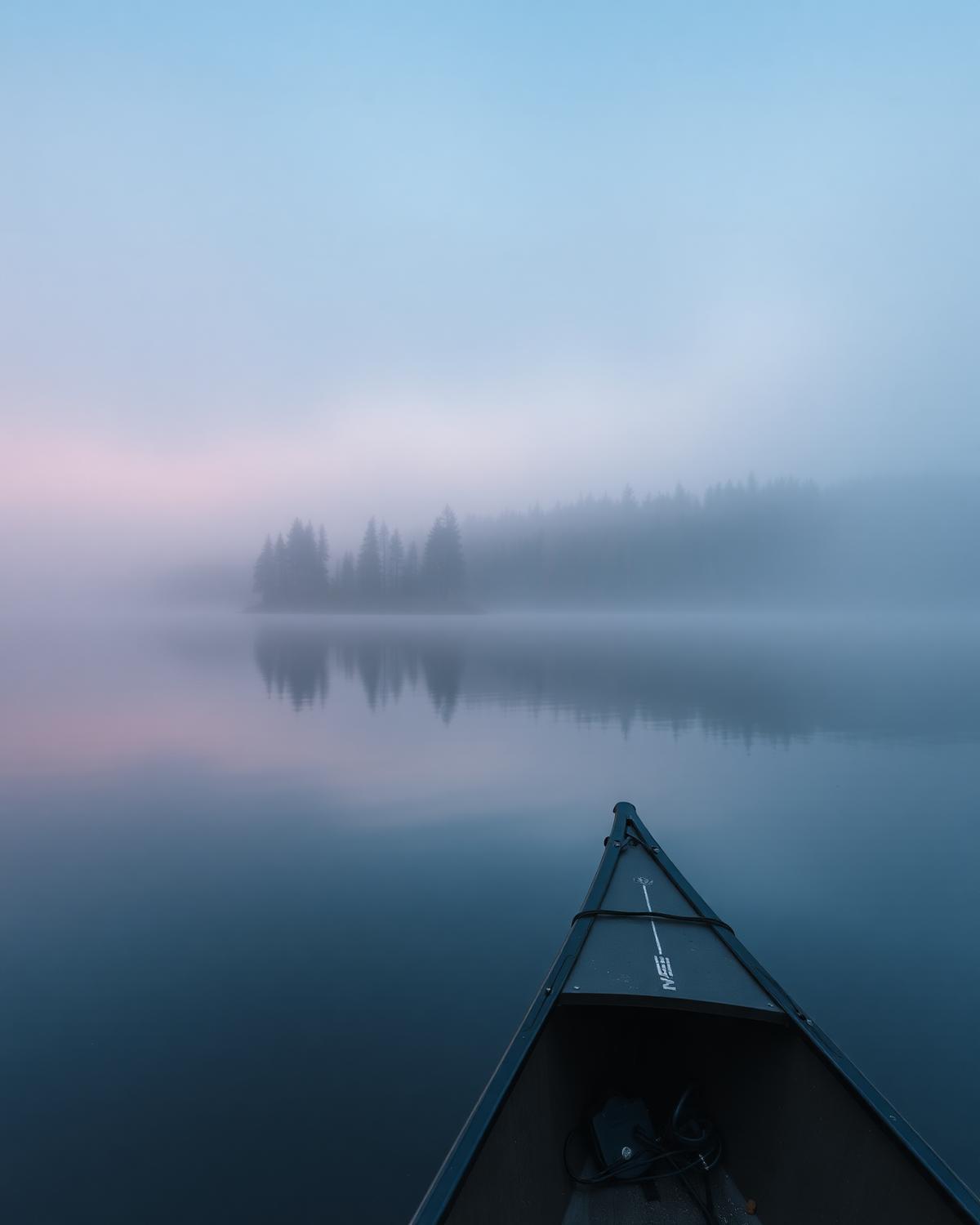
The country wakes up slowly, spectacularly.

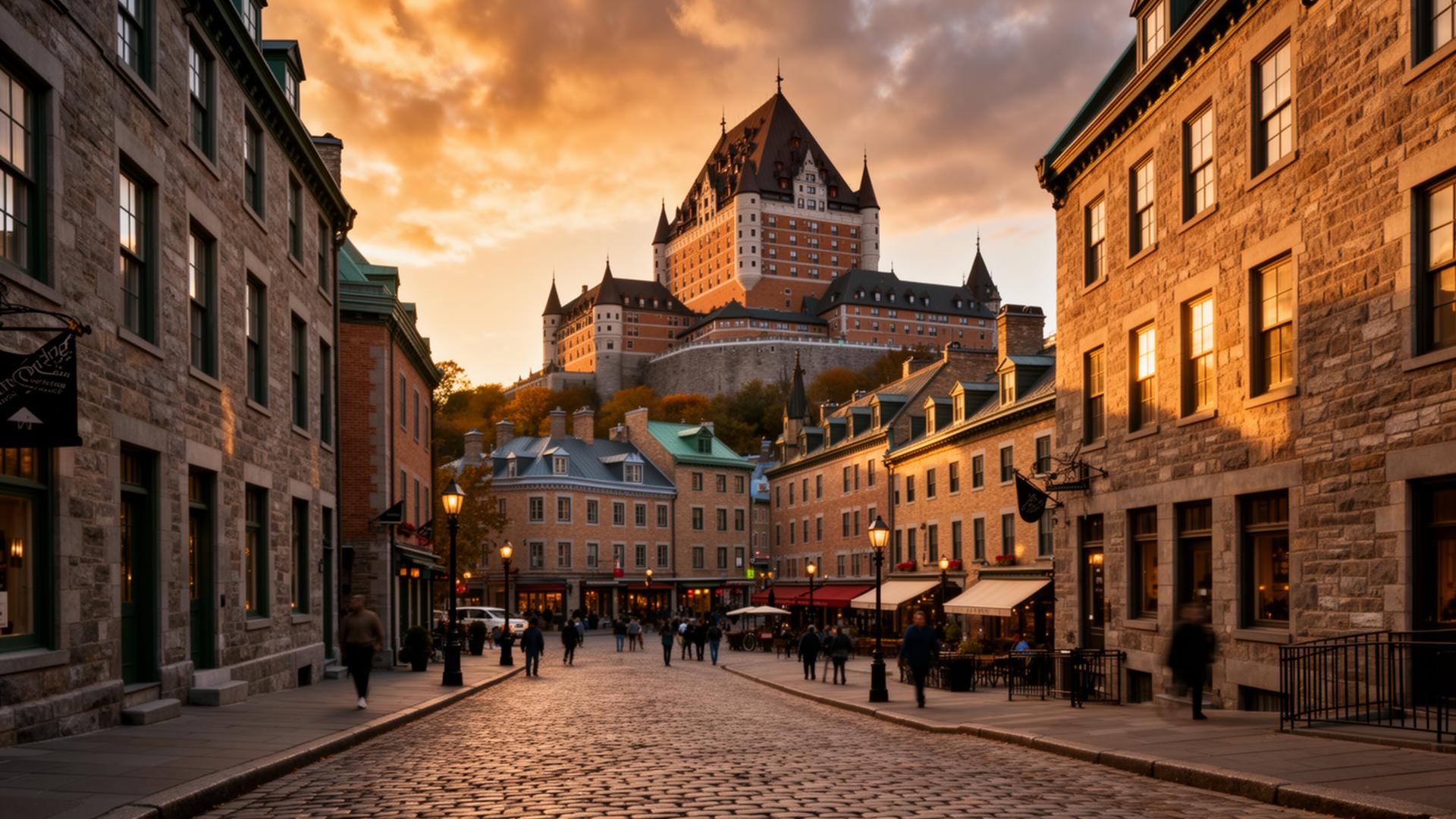
Cherry blossoms in Vancouver, maple syrup shacks in Québec, and the first whales of the season off Newfoundland.

Best For
Cherry blossoms in Vancouver & Victoria
Peak Time
March – May
  • Cherry blossoms in Vancouver & Victoria
  • Maple sugaring in Québec & Ontario
  • Iceberg viewing along Newfoundland's coast
  • Whale migration begins in the Gulf of St. Lawrence
+Read the full guide

Canadian spring is a season of emergence. The snowline retreats up the mountains, the maple sap runs, and the country's great migrations begin — whales northward, birds overhead, and travellers heading for the first open roads.

British Columbia's cherry blossom season rivals Japan's in density, particularly along Vancouver's residential avenues and in Victoria's Beacon Hill Park. By April, the Okanagan wine country is pruning its vines and opening cellar doors for the first tastings of the year.

In Québec, the sugaring-off season transforms rural barns into maple-syrup tasting rooms. The Eastern Townships and Laurentians host cabanes à sucre where meals are served on checkered tablecloths and the taffy is poured fresh onto snow. On the East Coast, iceberg season begins off Newfoundland, with towering ice sculptures drifting south along the Labrador Current.

Top destinations this season

VancouverQuébec CitySt. John'sNiagara-on-the-Lake
When do the cherry blossoms bloom in Vancouver?

Peak bloom is typically late March to mid-April, depending on winter temperatures. The Vancouver Cherry Blossom Festival runs for three weeks and publishes daily bloom forecasts.

Is spring a good time for national parks?

Many mountain parks are still snowbound in spring, but low-elevation trails in Pacific Rim, Fundy, and Bruce Peninsula National Parks are excellent. Wildlife is active and crowds are thin.

What should I pack for spring in Canada?

Layers are essential. Spring can bring snow in the morning and t-shirt weather by afternoon, especially in the Rockies and the Prairies. Waterproof outerwear and a warm mid-layer are recommended everywhere.
Summer

June – August

Summer

June – August

Summer

Midnight sun, mountain trails, and festivals that never end.

The season when Canada is fully open — alpine meadows, coastal islands, prairie skies, and the warmest water you'll find all year.

Best For
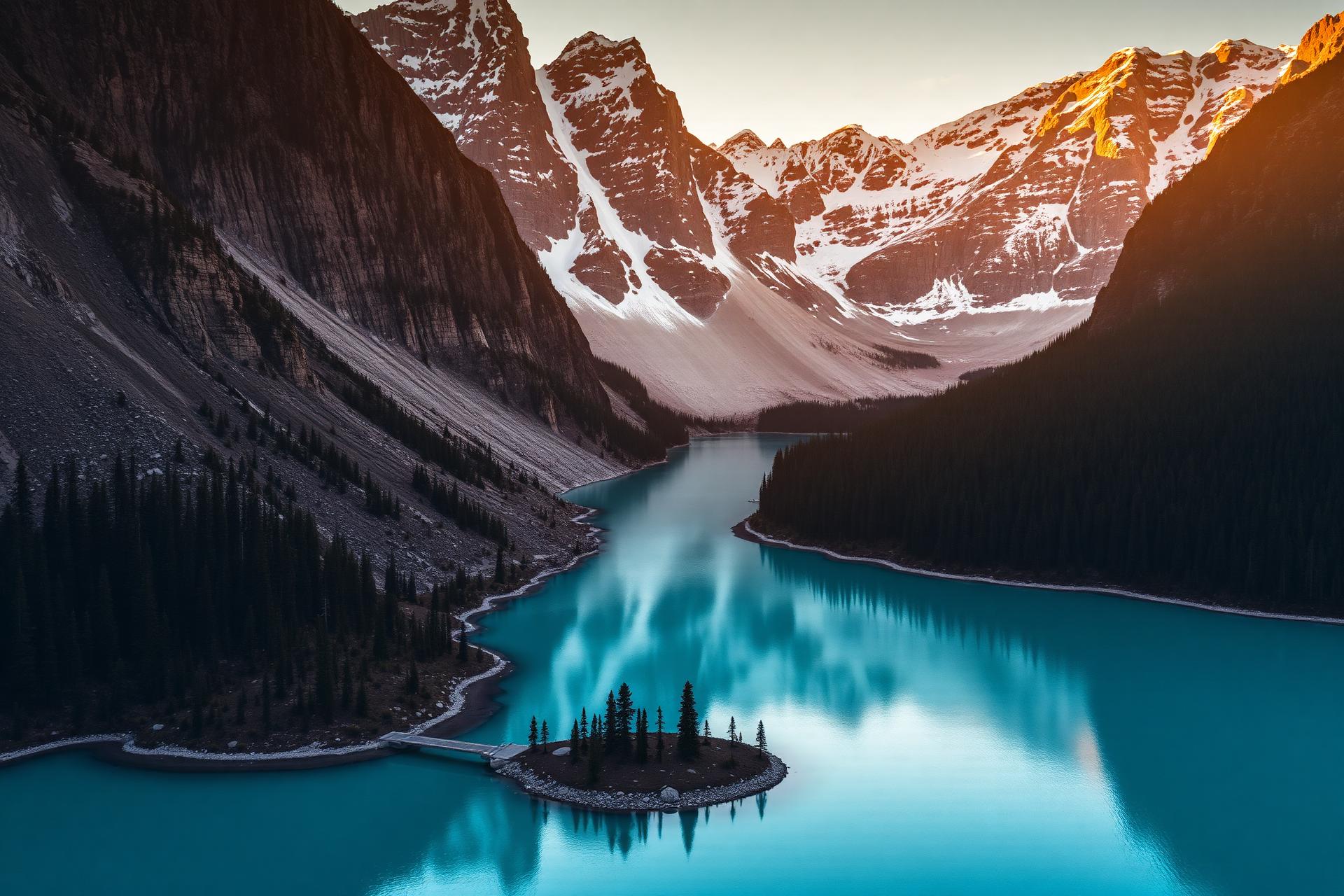
Banff & Jasper alpine wildflowers
Peak Time
June – August
  • Banff & Jasper alpine wildflowers
  • Calgary Stampede & Montréal Jazz Festival
  • Prince Edward Island beaches
  • Midnight sun in Yukon & Northwest Territories
+Read the full guide

Summer is Canada's high season for good reason. Every province and territory is accessible, the daylight lasts past ten o'clock in the north, and the country hosts more festivals than any visitor could possibly attend.

The Rocky Mountains are at their most hiker-friendly, with alpine wildflowers peaking in July and August. Banff and Jasper National Parks are bustling, but the backcountry trails and lesser-known parks — Yoho, Kootenay, Waterton — offer solitude within an hour's drive.

The Maritime provinces come alive in summer. Prince Edward Island's beaches warm to swimmable temperatures, Nova Scotia's lobster suppers run nightly, and Newfoundland's Iceberg Alley is still active while the first humpback whales arrive. In the north, the midnight sun illuminates the Arctic tundra and the Dempster Highway opens for the brief window when the permafrost is stable enough to drive.

Top destinations this season

Banff National ParkCape Breton IslandVancouver IslandCharlevoix
How busy are the national parks in summer?

Banff and Jasper are busiest in July and August. Book accommodation six months ahead. Consider Yoho, Kootenay, Glacier, or Mount Revelstoke for comparable scenery with smaller crowds.

Can I swim in the ocean in Canada?

Yes — the warmest ocean swimming is in PEI, the Northumberland Strait, and southern Nova Scotia, where water temperatures reach 20–22°C in July and August. Pacific waters remain cold year-round.

When is festival season?

June through August. Highlights include the Montréal Jazz Festival (June–July), Calgary Stampede (July), Stratford Festival (May–October), and Vancouver International Jazz Festival (June–July).

Fall

September – November

Fall

September – November

Fall

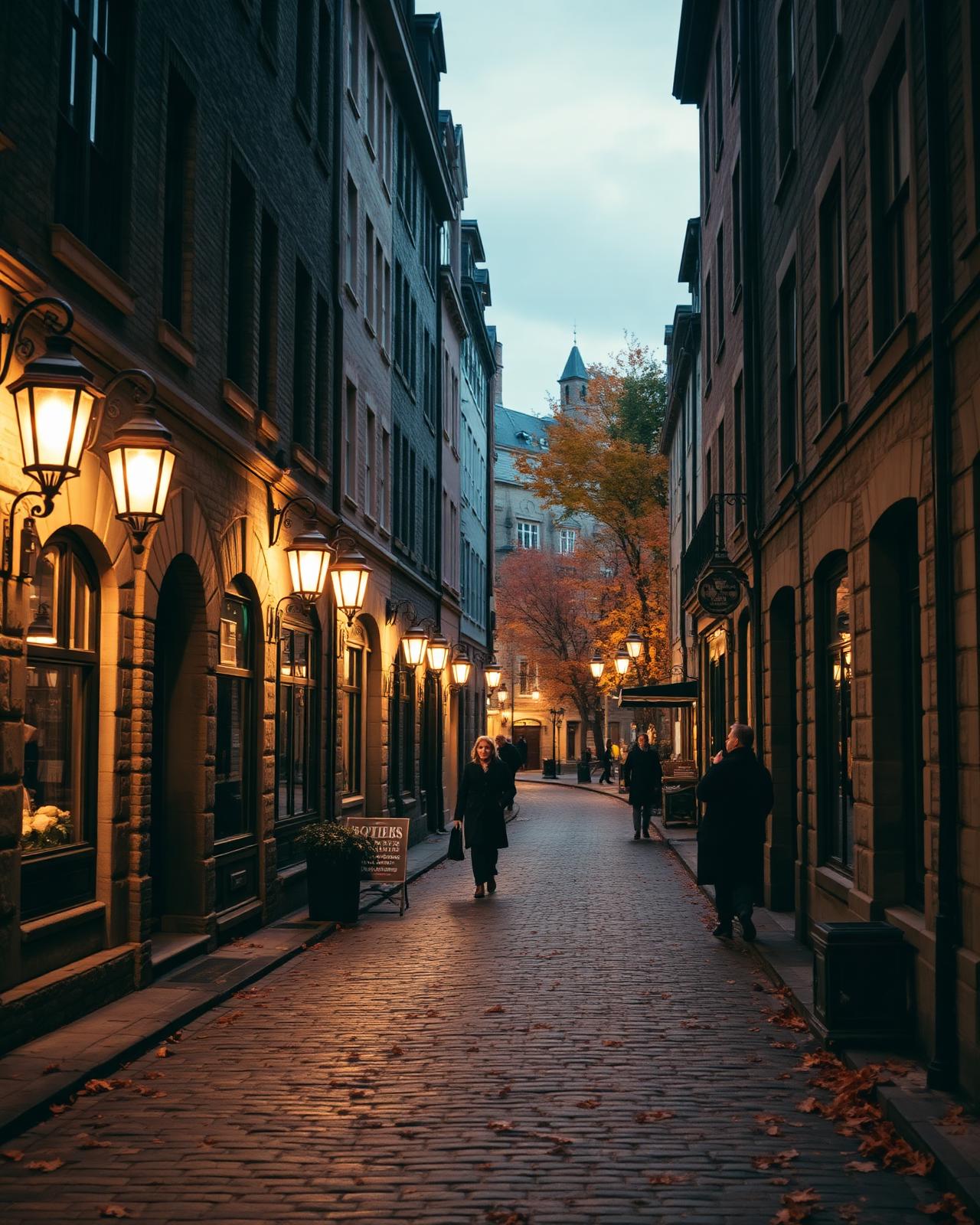
The whole country turns to gold.

Foliage on the Cabot Trail, harvest in Niagara, golden larches in the Rockies, and the first northern lights of the season.

Best For
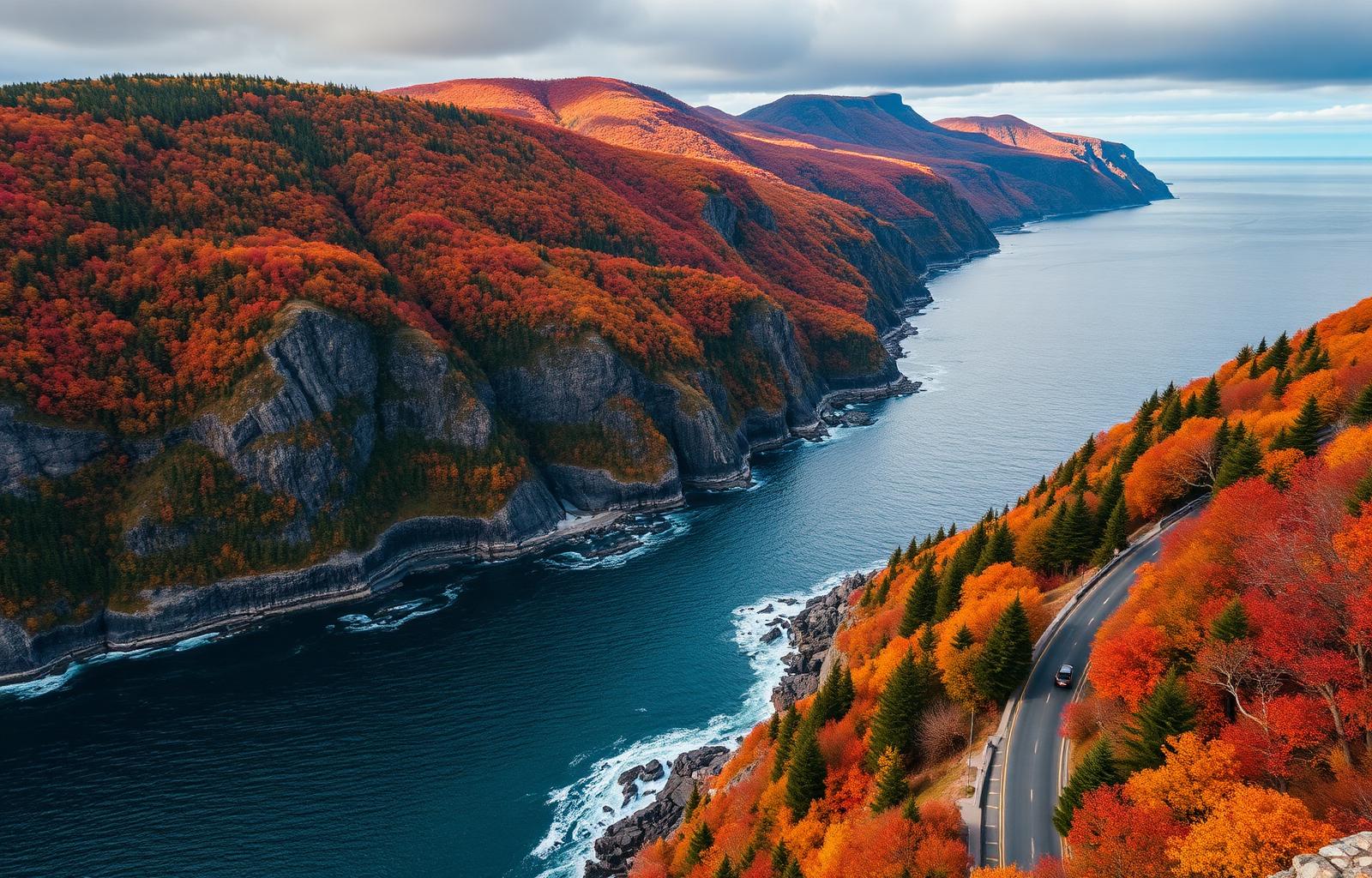
Cabot Trail foliage drive
Peak Time
September – November
  • Cabot Trail foliage drive
  • Golden larch hikes in the Rockies
  • Niagara & Okanagan harvest season
  • Early aurora in Yukon & Northwest Territories
+Read the full guide

Canadian autumn is one of the most visually dramatic seasons on Earth. The hardwood forests of Ontario, Québec, and the Maritimes ignite in reds and oranges, while the western larches — deciduous conifers unique to the Rockies — turn entire mountainsides the colour of molten gold.

The Cabot Trail in Cape Breton is the undisputed centre of Canadian fall foliage, with peak colour typically arriving in early to mid-October. The Algonquin Provincial Park corridor between Toronto and Ottawa offers a more accessible alternative, with maple and birch displays visible from the highway and dozens of lookouts along the Highway 60 corridor.

In the west, the subalpine larch season is shorter — usually the last two weeks of September — but extraordinary. The Larch Valley trail above Lake Louise and the Arnica Lake trail in Kootenay National Park are the classic hikes. In the wine regions, harvest season brings grape stomps, crush parties, and the first releases of the year's icewine.

Top destinations this season

Cape Breton HighlandsAlgonquin Provincial ParkLake Louise & BanffEastern Townships
When is peak fall colour in Canada?

Late September in the Rockies (larch season). Early to mid-October in Ontario, Québec, and the Maritimes. The Cabot Trail typically peaks in the first two weeks of October.

What are golden larches?

A deciduous conifer native to the Canadian Rockies that turns brilliant gold in autumn before shedding its needles. The Larch Valley and Sentinel Pass hikes near Lake Louise are the most famous viewing spots.

Is fall a good time for road trips?

Excellent. The summer crowds have thinned, accommodation is cheaper, and the scenery is arguably at its best. Pack a warm layer — nights can drop below freezing in the mountains by October.

Winter

December – February

Winter

December – February

Winter

The north shows off.

Powder skiing, ice hotels, dog-sledding, the northern lights, and cities that know how to embrace the cold.

Best For
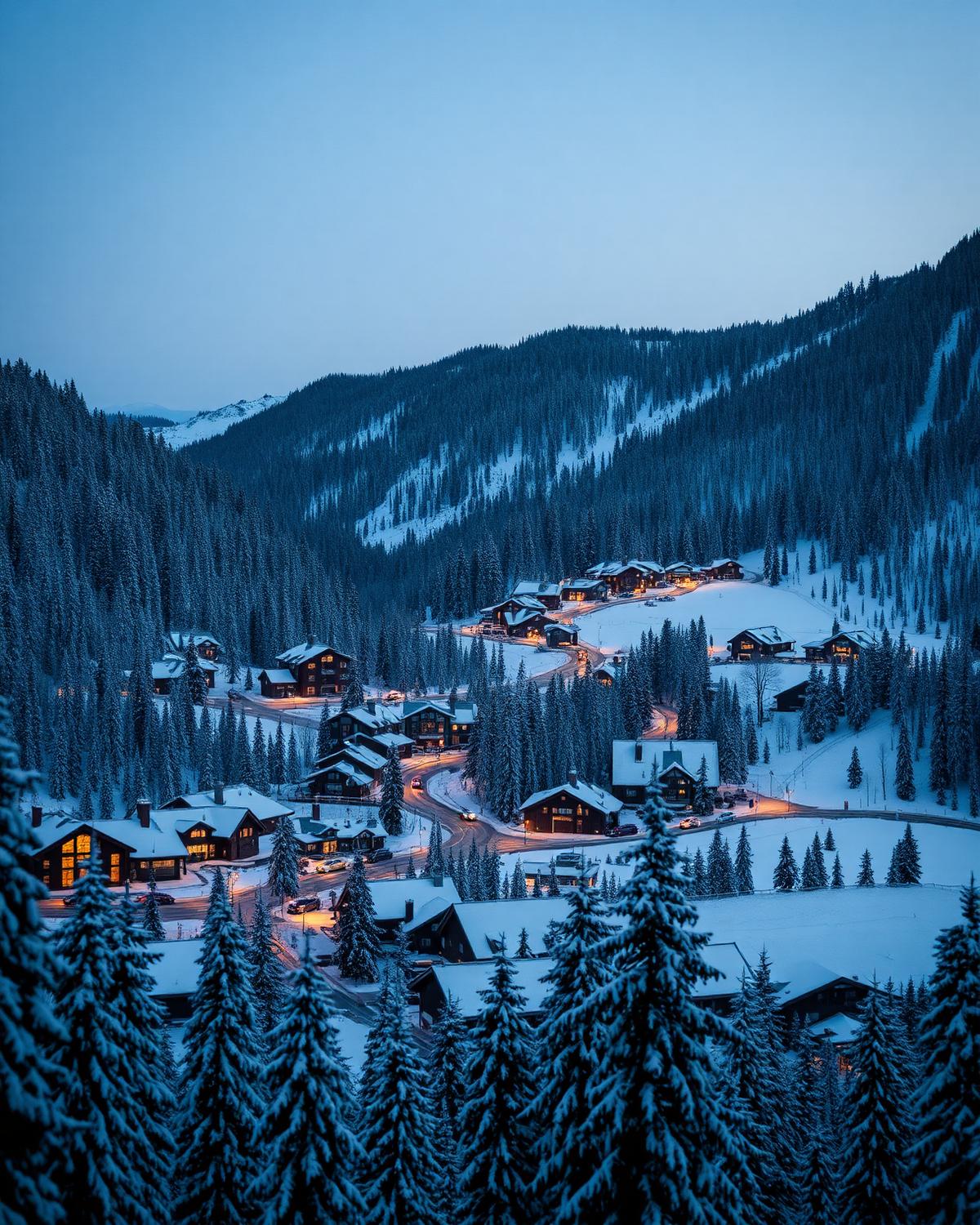
Whistler Blackcomb ski resort
Peak Time
December – February
  • Whistler Blackcomb ski resort
  • Hôtel de Glace, Québec City
  • Polar bear viewing in Churchill
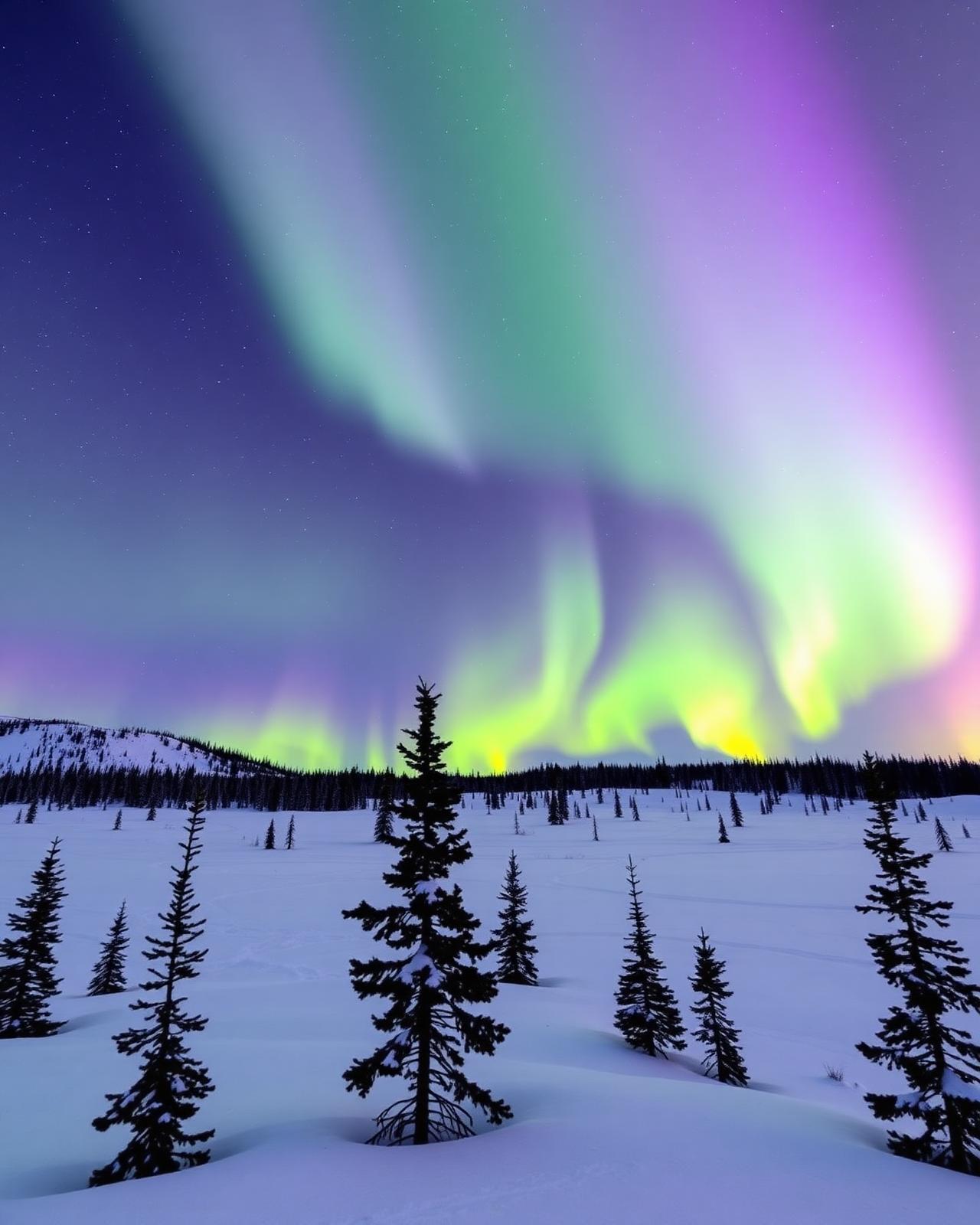
  • Aurora borealis in the Territories
+Read the full guide

Canadian winter is not something to endure — it is something to seek out. The country becomes a global capital of snow sports, ice architecture, and Arctic phenomena, while its cities respond with underground walkways, heated patios, and festivals that celebrate the season rather than hide from it.

Whistler Blackcomb is North America's largest ski resort, with over 8,000 acres of terrain and a village that operates at full capacity through April. For a quieter experience, Red Mountain, Revelstoke, and Kicking Horse offer world-class powder with smaller crowds and lower prices.

Beyond the slopes, winter Canada offers experiences unavailable anywhere else. The Hôtel de Glace outside Québec City is rebuilt annually from 500 tonnes of ice and 30,000 tonnes of snow. In the Far North, Churchill's polar bears gather on the Hudson Bay shore from October through November, and the aurora borealis is visible on clear nights from Yellowknife to Whitehorse to Iqaluit.

Top destinations this season

WhistlerQuébec CityYellowknifeChurchill
How cold does it get in Canadian winter?

Coastal BC rarely drops below -5°C. The Prairies and central Canada see -20°C to -35°C. The Arctic can reach -40°C and below. Dress in layers and plan indoor warm-up stops.

When is the best time to see the northern lights?

Late August through early April. Peak visibility is during the equinox months of September–October and February–March, when geomagnetic activity is highest and nights are long and dark.

Do I need special clothing for a winter trip?

Yes. A quality down parka rated to -25°C, insulated waterproof boots, thermal base layers, and a hat that covers your ears are essential. Most northern operators include arctic-grade outerwear in tour packages.

Ready to plan?

Find your season, then find your route.

Browse road trips, experiences, and destinations tailored to the time of year you want to travel.