
Try searching for
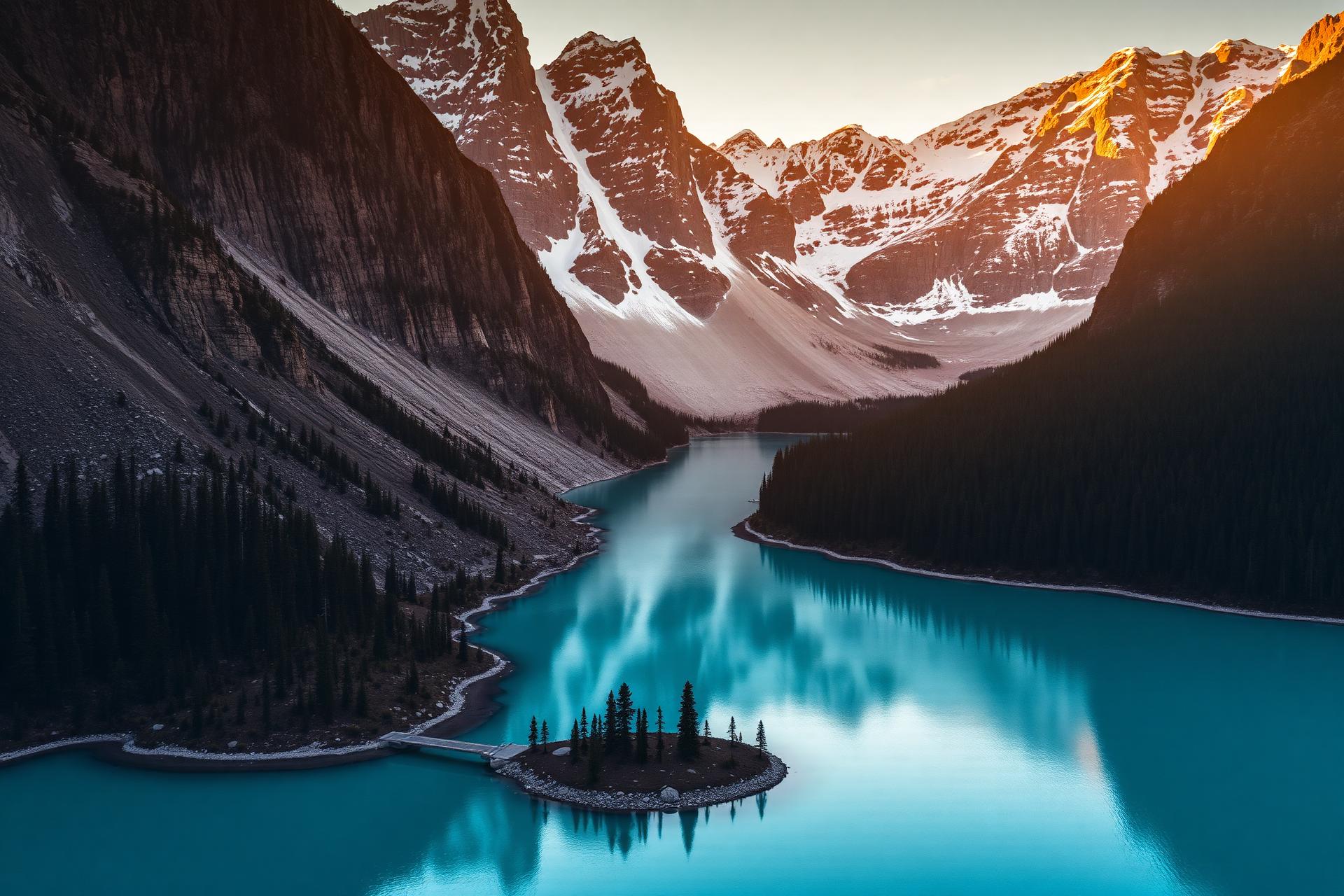
Experience · Pillar Guide
National Parks
Forty-seven reasons to come back.
47
national parks and reserves
340,000+ km²
of protected land
1885
Banff established — first national park
10
UNESCO Natural World Heritage Sites
Overview
Parks Canada protects 47 national parks and reserves, covering more than 340,000 km² of mountains, coastlines, tundra, and old-growth forest. Every one of them is open to the public and easy to visit.
Banff was Canada's first national park, established in 1885 and still the most visited. Together with Jasper, Kootenay, and Yoho, it forms the Canadian Rocky Mountain Parks UNESCO World Heritage Site.
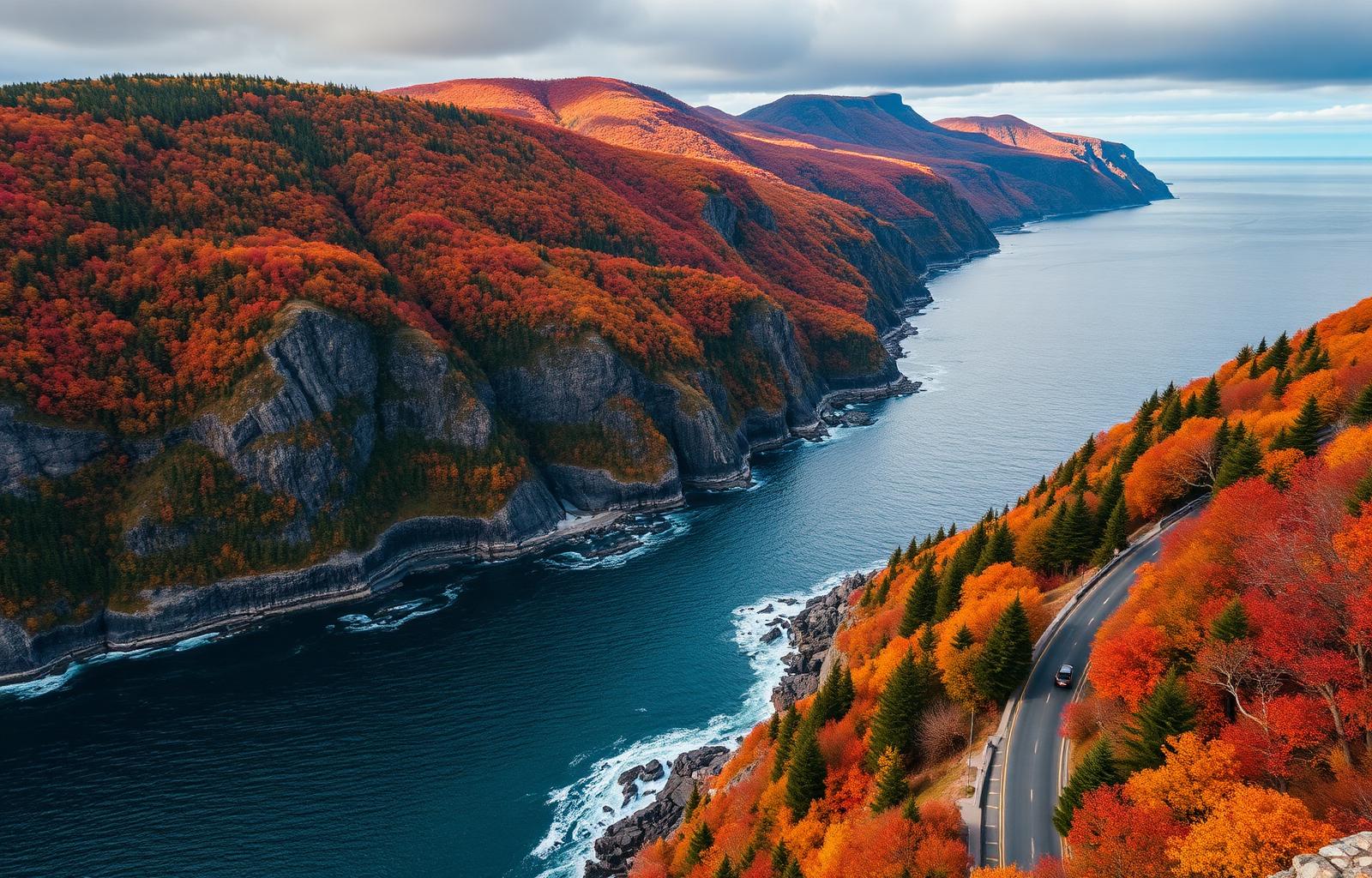
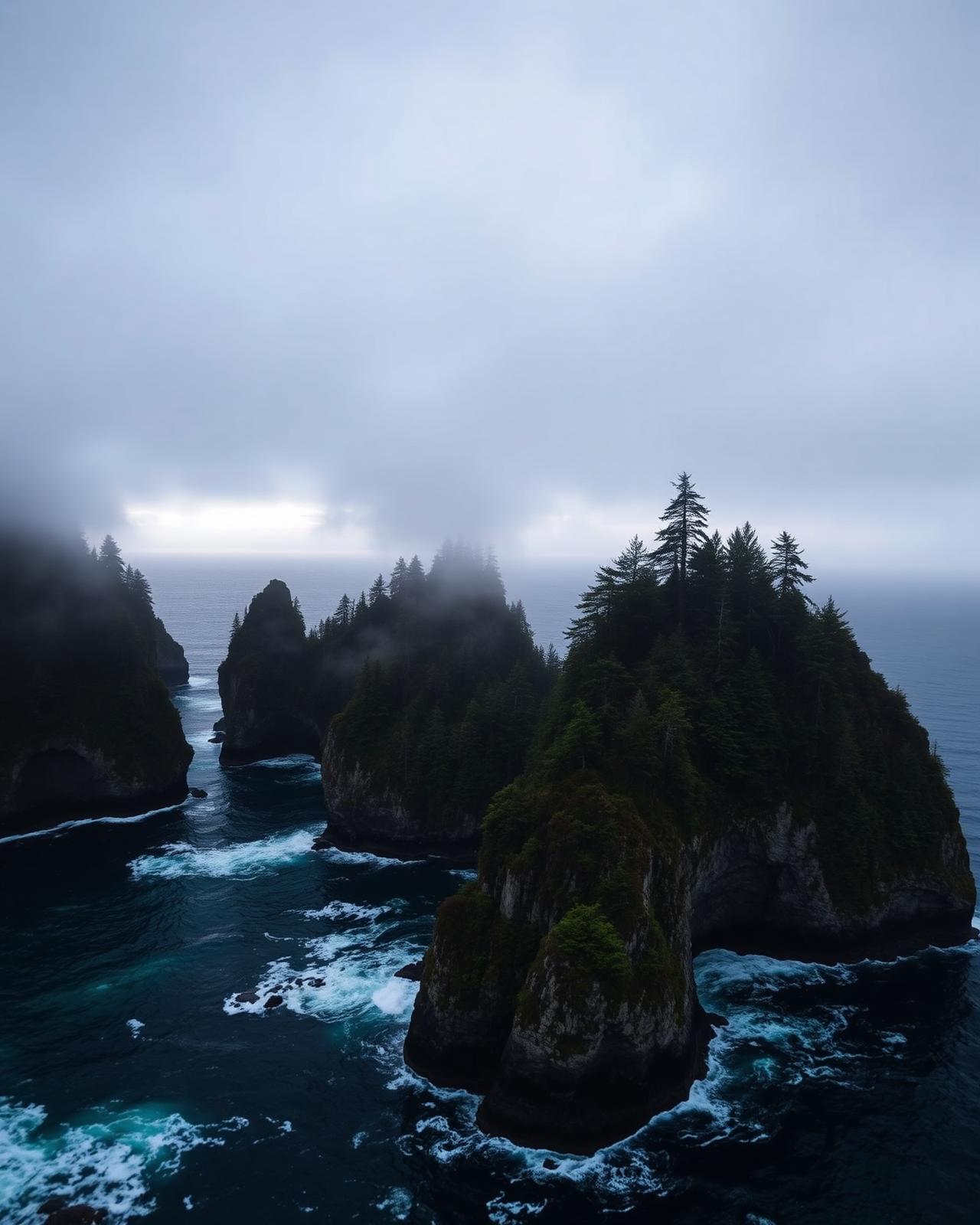
Beyond the Rockies: Gros Morne's tablelands tell a billion-year geological story, Pacific Rim's storm-battered coast offers some of North America's best surfing, and Torngat in northern Labrador delivers polar bear viewing and Inuit-led cultural experiences in one of the planet's last true wildernesses.
Signature moments
Don't miss
Three experiences that capture the heart of national parks travel in Canada.
Banff & Jasper
The crown jewels of the Rockies and a UNESCO World Heritage Site.
Gros Morne, NL
Fjords, tablelands, and billion-year-old geology.
Pacific Rim, BC
Storm-watching, surfing, and old-growth rainforest on Vancouver Island.
Sample itineraries
Three ways to travel
8 days
Rocky Mountain Parks (UNESCO)
Banff, Jasper, Kootenay and Yoho — the four-park UNESCO core.
7 days
Gros Morne + Newfoundland
Fjords, tablelands, billion-year geology on the rock.
5 days
Pacific Rim Coast
Old-growth, surf, and storm-watching on Vancouver Island's wildest edge.
When to go
Month-by-month
Banff townsite + Pacific Rim storm-watching.
Snowshoeing in Algonquin; Banff ice walks.
Spring melt; first ranger interpretive programs.
Some park gates reopen; bears emerge.
Most parks fully open mid-month.
Reservations open in January; book NOW.
Peak — book accommodation 6+ months ahead.
Long summer twilight; wildflowers + meadows.
Larch season in Rockies (Sept 15-30).
Foliage at Algonquin and Cape Breton.
Indian summer; lowest crowds at Banff.
Banff townsite is magical; Pacific Rim storms peak.
Editor's picks
Operators we trust
Annual pass
Parks Canada Discovery Pass
Nationwide
$72 adult, $145 family — pays for itself in ~7 park-days.
Visit websiteReservation portal
Parks Canada Reservation Service
Online
Camping and oTENTik bookings open early January and fill in days.
Visit websiteBackcountry lodge
Skoki Lodge
Banff Backcountry
Historic 11-km ski-in / hike-in lodge with hot meals and warm beds.
Visit websitePark stay
Tofino oTENTik & Green Point
Pacific Rim, BC
Parks Canada's heated canvas tents — booking opens January.
Canoe outfitter
Heritage River Outfitters (Algonquin)
Huntsville, ON
Algonquin's classic outfitter for canoe and portage permits.
Visit websiteEditorially curated — we don't accept payment for placement.
Prep & gear
Before you go
Permits & passes
- Discovery Pass for unlimited access
- Backcountry permits required for overnight (Banff, Pacific Rim, West Coast Trail)
- Fire bans posted at every gate — check before arrival
- Bear-proof food canisters required on many trails
Wildlife safety
- Carry bear spray, know how to use it
- Make noise on quiet trails — bear bells are not enough
- Cougar territory: never run, maintain eye contact
- Wildlife at 100 m for bears, 30 m for elk/moose
Gear
- 10 essentials always: navigation, sun, insulation, light, first aid, fire, shelter, food, water, repair
- Sturdy boots broken in at home
- Layered clothing for fast weather changes
- Headlamp + spare batteries
Insider tips
- 01Banff/Jasper/Pacific Rim camping opens Jan 8-15 every year; set an alarm.
- 02Moraine Lake is shuttle-only since 2023 — book Parks Canada or Roam shuttle.
- 03First entry of the day at Lake Louise is golden — arrive before 7 a.m. in summer.
- 04Algonquin's interior permit system has dozens of routes — start with Canoe Lake → Joe Lake.
- 05Volunteer ranger talks (free) are the best 45 minutes of any park visit.
Budget
What it costs
Smart
CAD 200 / day pp
Park camping + DIY + Discovery Pass.
- Camping fee
- Park admission
- Groceries
Mid
CAD 500 / day pp
Cabin + ranger programs + 1 outfitter day.
- Park cabin or oTENTik
- Restaurant meals
- Guided day-hike
Premium
CAD 1,200+ / day pp
Backcountry lodge + private guides + helicopter access.
- Skoki / Shadow Lake Lodge
- Private guide
- Helicopter portage where allowed
Where to experience it
Related destinations
Good to know
Frequently
asked.
Practical answers from travellers and Canadian operators.
Do I need a pass to enter a national park?
Yes. Day and annual Discovery Passes are available at park gates and online from Parks Canada. The annual pass pays for itself in about seven park-days.
Are pets allowed?
Dogs are welcome on leashes in most national parks. Some sensitive wildlife areas restrict pets seasonally — check the individual park's website before travelling.
Can I camp in a national park?
Yes. Reservations open each January and the most popular sites (Banff, Jasper, Pacific Rim) fill within days. Backcountry permits are available for more remote experiences.
Curated trips
Related packages
Drive it
Related road trips
Alberta · 232 km
Icefields Parkway
Lake Louise to Jasper through a corridor of glaciers, turquoise lakes, and roadside grizzlies.
Explore →British Columbia · 121 km (Vancouver–Whistler)
Sea-to-Sky Highway
Vancouver to Whistler along the Howe Sound fjord — waterfalls, granite walls, and ocean on one side.
Explore →Newfoundland · 489 km
Viking Trail
Deer Lake to L'Anse aux Meadows along Route 430 — fjords, fossils, and Viking longhouses on Newfoundland's Great Northern Peninsula.
Explore →British Columbia & Alberta · 1,160 km
Crowsnest Highway
Hope to Medicine Hat along Highway 3 — through the Okanagan, the Kootenays, and the Crowsnest Pass.
Explore →Plan smarter
Related travel guides
Health & Safety · 7 min
Health, Wildlife & Safety
Travel insurance, wildlife encounters, and how to be safe in the backcountry.
Read guide →Connectivity · 4 min
Phones, SIMs & Connectivity
How to stay connected without a CAD $300 roaming bill.
Read guide →Food & Drink · 6 min
Food, Drink & Restaurant Culture
Beyond poutine and maple syrup — a primer on regional cuisine, wine country, and dining customs.
Read guide →Keep exploring
Other experiences
Adventure
Glacier hikes, sea kayaking, and heli-skiing across two oceans and three mountain ranges.
Explore →Luxury
Fairmont castles, wilderness lodges, and tasting menus framed by mountains and sea.
Explore →Family Travel
Wildlife safaris, island ferries, and lodges designed for shared discovery.
Explore →Food & Drink
Niagara wines, Atlantic lobster suppers, Montréal bagels, and Pacific oysters.
Explore →