
Try searching for
8,171 ac
Whistler-Blackcomb skiable terrain
90%+
aurora success rate, Yellowknife (3-night)
44
rooms at the Hôtel de Glace (rebuilt yearly)
−51°C
record low in Snag, Yukon (we ski below that)
Overview
Canadian winter is a season, a culture, and an attraction in its own right. From world-class ski resorts to ice hotels, frozen waterfalls, and aurora viewing nights spent in heated glass domes, the cold months may be the country's most distinctive.
Whistler Blackcomb is the largest ski resort in North America, with terrain for every level. Banff, Lake Louise, Sunshine Village, and Revelstoke round out the western roster, while Mont-Tremblant anchors the Québec scene.
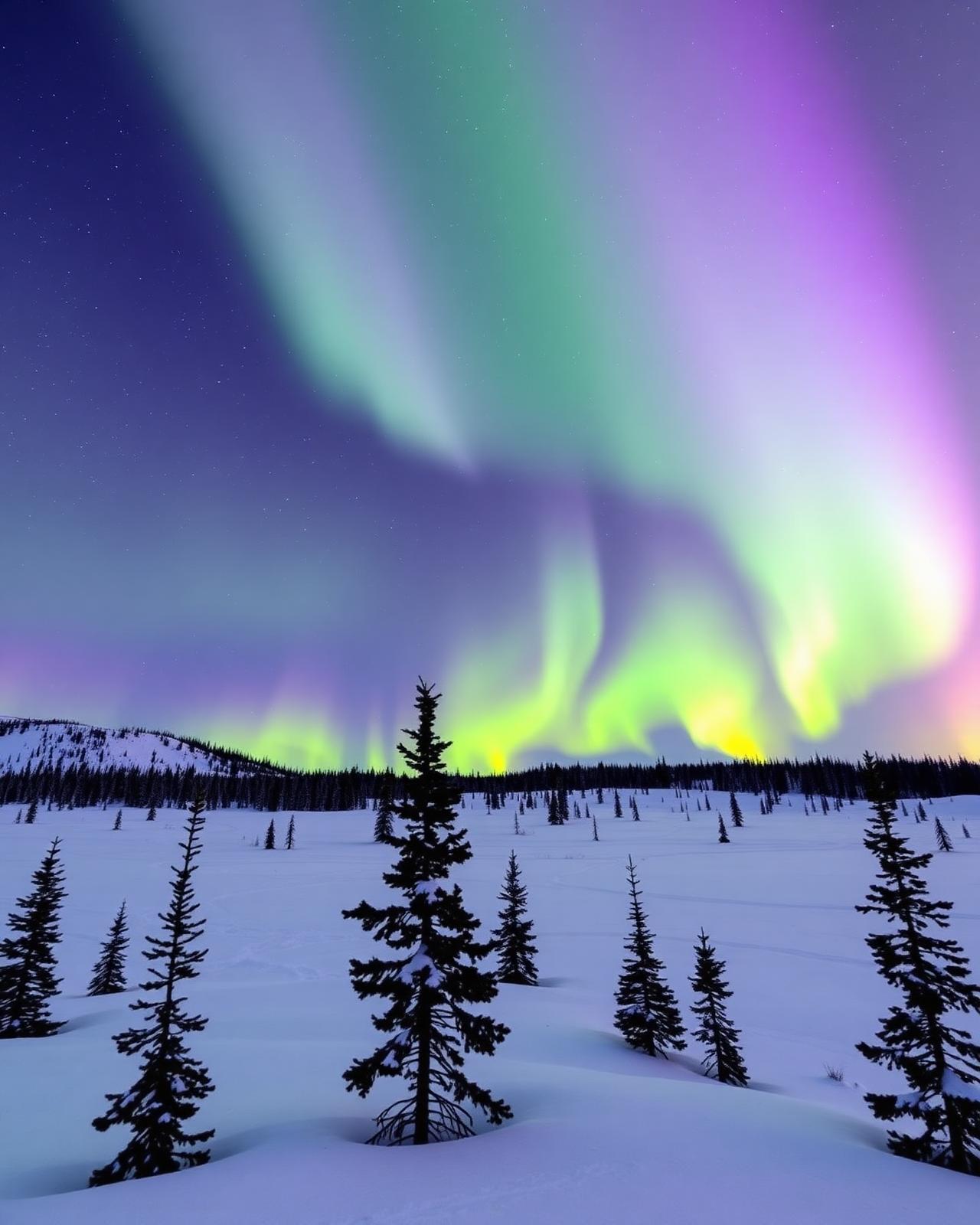
Beyond skiing, the season offers ice hotels in Québec, dog-sled expeditions in the Yukon, snowshoeing in Algonquin, and aurora-viewing trips out of Yellowknife and Whitehorse with success rates above 90% on three-night stays.
Signature moments
Don't miss
Three experiences that capture the heart of winter escapes travel in Canada.
Whistler Blackcomb
North America's largest ski resort with 8,171 acres of terrain.
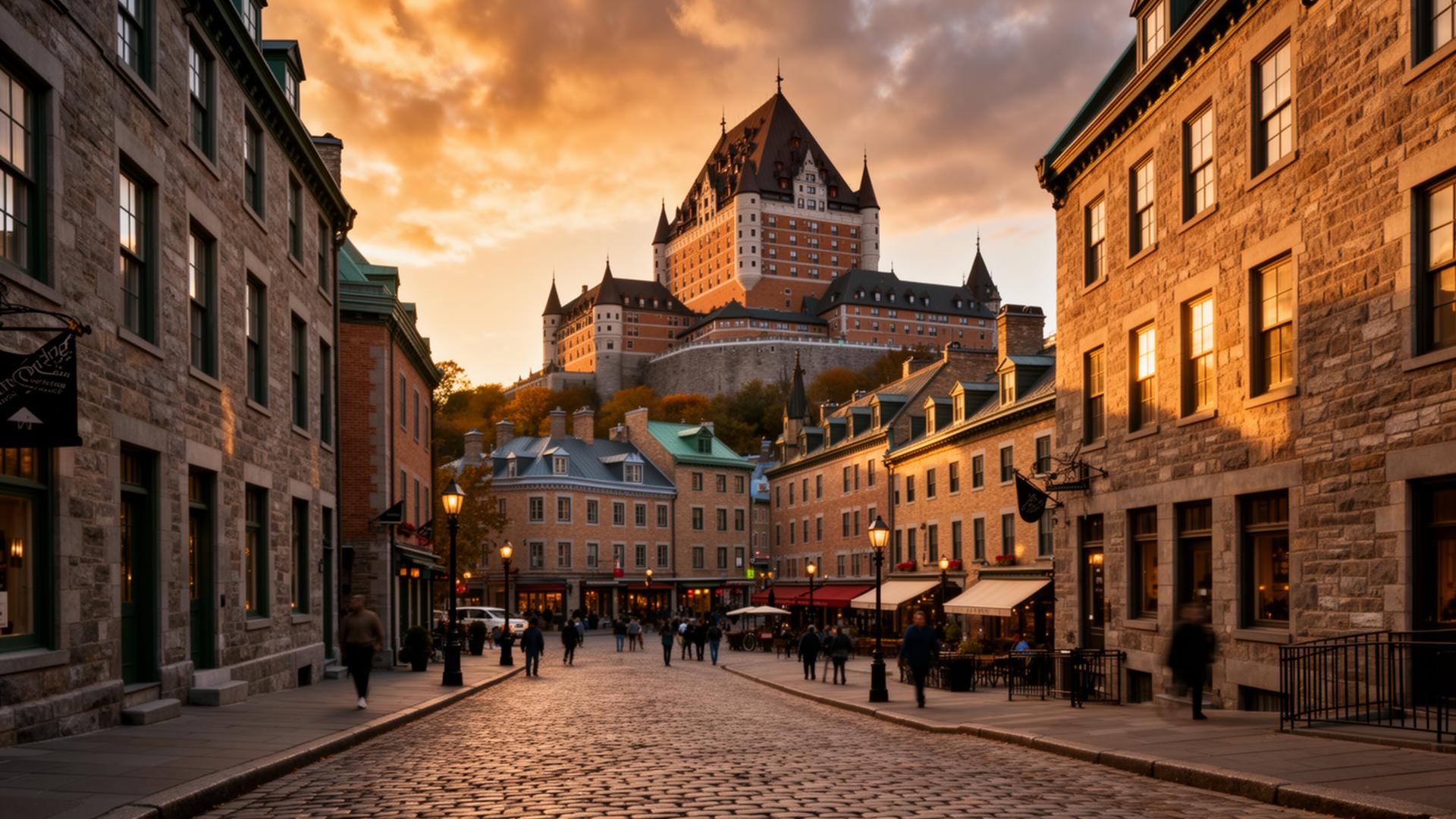
Hôtel de Glace, Québec
A rebuilt ice hotel near Québec City, open January to March.
Aurora viewing in Yellowknife
90%+ success rate on three-night winter stays.
Sample itineraries
Three ways to travel
5 days
Whistler Ski Long Weekend
Door-to-door Vancouver, Sea-to-Sky, North America's biggest resort.
6 days
Aurora + Dog-Sled Yukon
Three nights of guaranteed dark sky + a half-day dog-sled run.
5 days
Québec Ice Hotel & City
A night at Hôtel de Glace bookended by Old Québec winter magic.
When to go
Month-by-month
Peak ski + aurora; Carnaval de Québec.
Coldest, brightest aurora skies.
Spring corn snow; longer ski days.
Final powder weekend at Whistler.
Most resorts close; Whistler glacier opens for camp.
No snow programming.
No snow programming.
No snow programming.
Pre-season; aurora returns to NWT skies.
Aurora viewing season opens; early-season skiing in Banff.
Most resorts open; aurora packages bookable.
Full season; holiday programming everywhere.
Editor's picks
Operators we trust
Ski resort
Whistler-Blackcomb (Vail Resorts)
Whistler, BC
North America's biggest by skiable terrain.
Visit websiteAurora outfitter
Aurora Village
Yellowknife, NWT
Heated tipis + photo-trained guides on Aboriginal-owned land.
Visit websiteIce hotel
Hôtel de Glace
Valcartier, QC
Rebuilt every January-March — themed ice suites and frozen chapel.
Visit websiteDog-sled operator
Muktuk Adventures
Whitehorse, YT
Half-day to multi-day kennel-run experiences with 100+ rescued huskies.
Visit websiteSki resort circuit
Big White / Revelstoke / Kicking Horse
Interior BC
The 'Powder Highway' — three of Canada's finest ski mountains.
Visit websiteEditorially curated — we don't accept payment for placement.
Prep & gear
Before you go
Clothing
- 3-layer system: merino base, insulating mid, hardshell outer
- Insulated boots rated to −30°C for aurora viewing
- Heavy mittens > gloves below −15°C
- Hand + toe warmers (buy 50-pack on arrival)
Gear
- Rent skis on arrival — airlines charge $200+ each way
- Most resorts include avalanche transceiver rentals for backcountry zones
- Camera batteries die fast in the cold; carry 3
Driving
- Winter tires legally required in BC; smart everywhere
- 511 phone apps in every province for road status
- Allow extra time — passes close briefly during storms
Insider tips
- 01Book aurora trips for 3+ nights — Yellowknife operators advertise 90%+ success on that minimum.
- 02Mid-week lift tickets in Banff/Lake Louise/Sunshine save 25%+ over weekends.
- 03Whistler's Symphony Bowl alpine is open longer than Symphony chair — hike for it.
- 04Hôtel de Glace beds rotate fast — book January, stay February.
- 05Bring a balaclava to Yellowknife. Always. Always.
Budget
What it costs
Smart
CAD 300 / day pp
Mid-week skiing + hostel.
- Hostel or self-catering condo
- Multi-day lift ticket
- DIY meals
Mid
CAD 700 / day pp
Ski-in/out hotel + lessons + après dining.
- Slopeside hotel
- Lift + lesson package
- Restaurant meals
Premium
CAD 2,000+ / day pp
Heli- or cat-skiing + spa nights + private guides.
- Lodge + helicopter or cat
- Private guide
- Aprés in spa robes
Where to experience it
Related destinations
Good to know
Frequently
asked.
Practical answers from travellers and Canadian operators.
How cold does it really get?
Daytime temperatures range from -5°C in Vancouver to -30°C in Yellowknife. Properly layered, all are comfortably explorable — and most attractions are designed with the cold in mind.
Is the aurora a reliable sighting?
Multi-night stays in Yellowknife between November and March report success rates above 90%. Specialist operators include backup viewing nights if needed.
When is ski season?
Late November through April at most resorts, with the deepest base and best conditions typically in February and early March.
Drive it
Related road trips
Alberta · 232 km
Icefields Parkway
Lake Louise to Jasper through a corridor of glaciers, turquoise lakes, and roadside grizzlies.
Explore →British Columbia · 121 km (Vancouver–Whistler)
Sea-to-Sky Highway
Vancouver to Whistler along the Howe Sound fjord — waterfalls, granite walls, and ocean on one side.
Explore →Québec · 885 km
Gaspé Peninsula
A grand loop around Québec's eastern peninsula where the St. Lawrence meets the open Atlantic.
Explore →Yukon & NWT · 740 km
Dempster Highway
Dawson City to Inuvik — a wilderness drive through the Tombstone Range and across the Arctic Circle.
Explore →Plan smarter
Related travel guides
Health & Safety · 7 min
Health, Wildlife & Safety
Travel insurance, wildlife encounters, and how to be safe in the backcountry.
Read guide →Connectivity · 4 min
Phones, SIMs & Connectivity
How to stay connected without a CAD $300 roaming bill.
Read guide →Food & Drink · 6 min
Food, Drink & Restaurant Culture
Beyond poutine and maple syrup — a primer on regional cuisine, wine country, and dining customs.
Read guide →Keep exploring
Other experiences
Adventure
Glacier hikes, sea kayaking, and heli-skiing across two oceans and three mountain ranges.
Explore →Luxury
Fairmont castles, wilderness lodges, and tasting menus framed by mountains and sea.
Explore →Family Travel
Wildlife safaris, island ferries, and lodges designed for shared discovery.
Explore →Food & Drink
Niagara wines, Atlantic lobster suppers, Montréal bagels, and Pacific oysters.
Explore →