
Rockies · Alberta
Banff National Park
Canada's first national park — and still the one against which the rest are measured.
Province
Alberta
Established
1885
Size
6,641 km²
Coordinates
51.50°, -115.93°
Family friendliness
Hidden gem
Photography
Overview
About Banff National Park
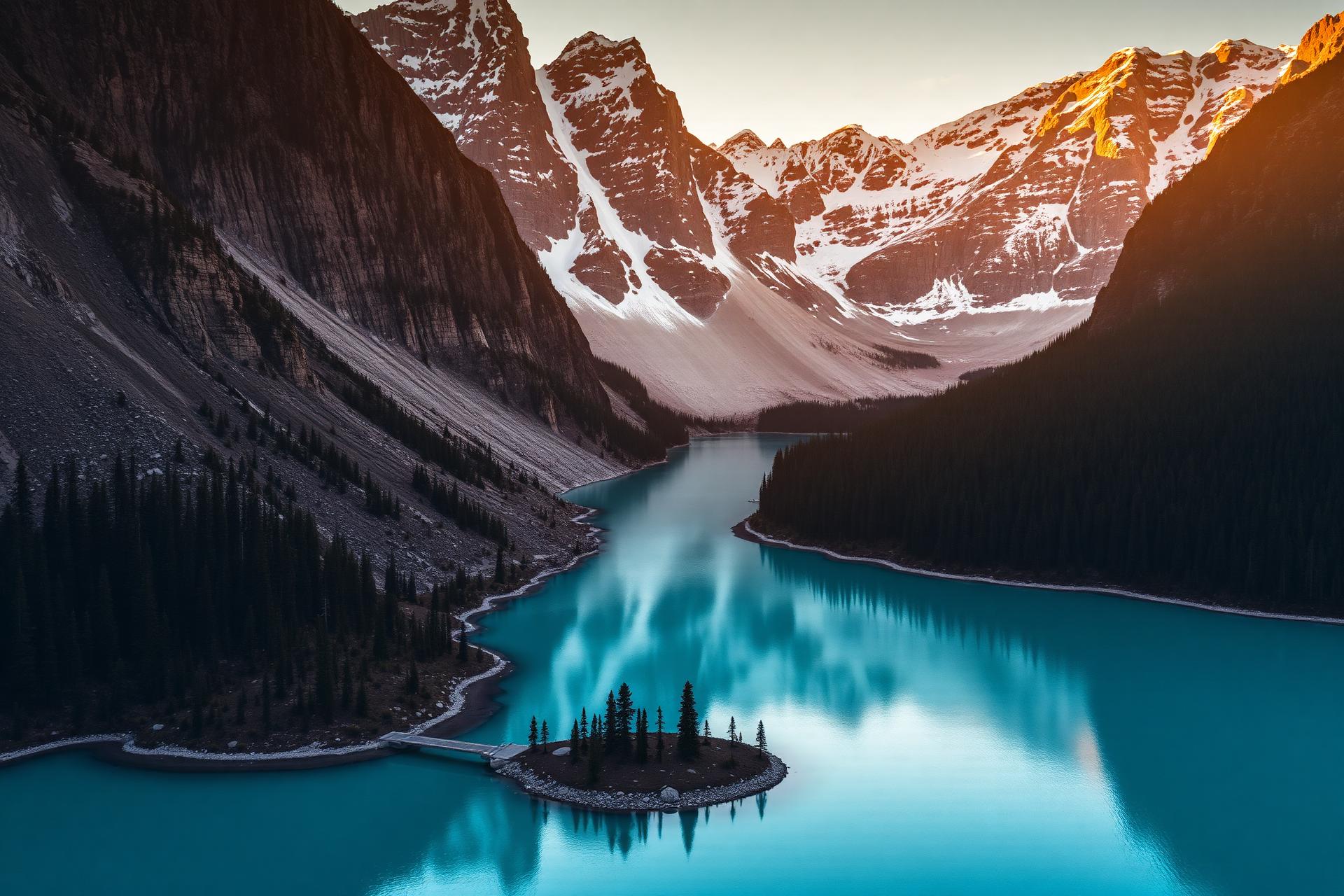
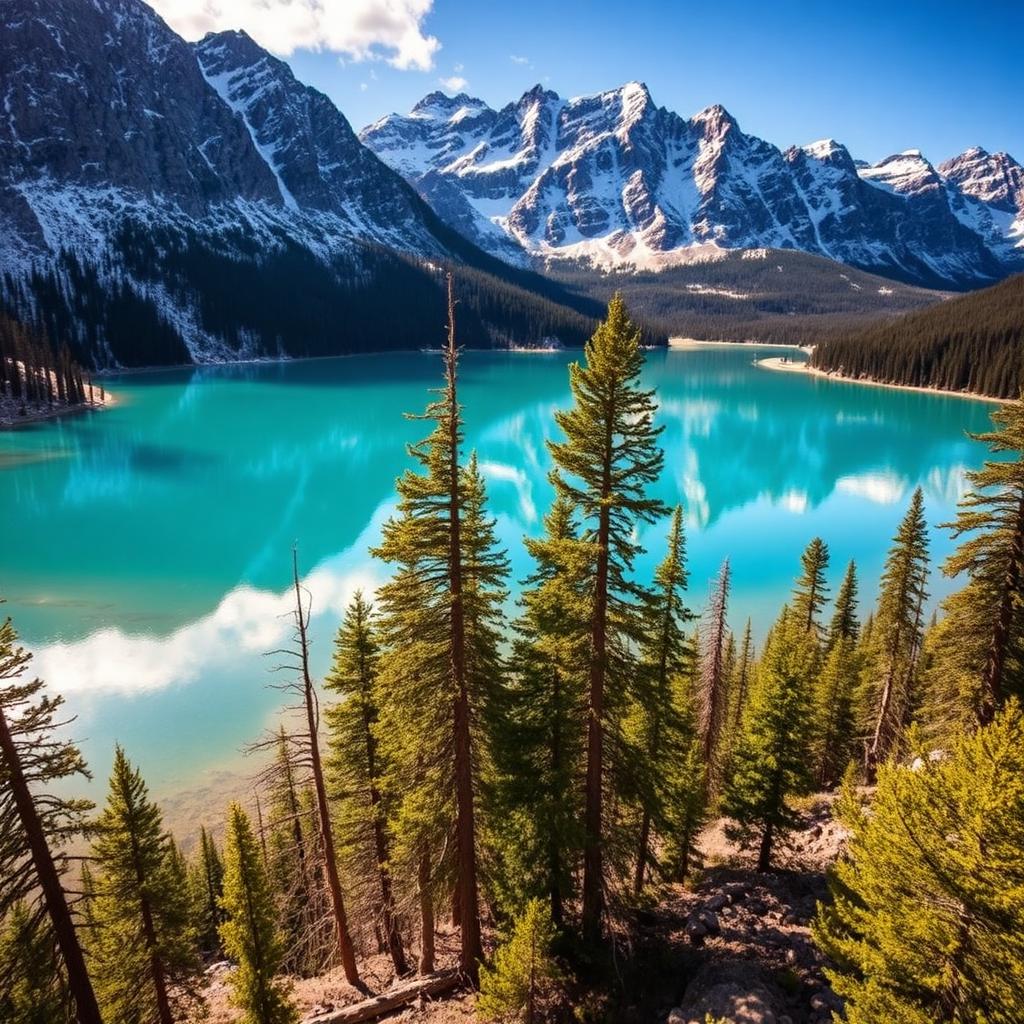
Banff is the country's flagship: glacier-fed lakes that read as impossibly turquoise, jagged limestone peaks, hot springs, and a townsite that still feels like a frontier outpost. It's also the busiest park in Canada, and timing your visit matters as much as choosing it.
Why visit
- Lake Louise and Moraine Lake — the most photographed water in Canada
- The Icefields Parkway, arguably the most scenic drive on Earth
- Vermilion Lakes sunrise reflections of Mount Rundle
- Backcountry teahouses and alpine larch hikes in autumn
- Hot springs, a heritage townsite and the country's oldest national park infrastructure
Things to do
Plan your days.
Plain of Six Glaciers teahouse hike
hiking
Tunnel Mountain & Two Jack Lakeside camping
camping
Bow Valley Parkway wildlife drive at dawn
wildlife
Lake Minnewanka canoeing
kayaking
Sunrise at Moraine Lake (shuttle reservation required)
photography
Banff Upper Hot Springs
interpretive
Norquay & Sunshine Village skiing
winter
Dark sky stargazing at Two Jack Lake
stargazing
Icefields Parkway scenic drive
scenic drive
Camping
Camping in the park.
- Tunnel Mountain Village I & II — closest to town with shuttle access
- Two Jack Lakeside — lake-edge tent sites with mountain backdrop
- Lake Louise Tent & Trailer — electric-fenced for grizzly safety
- Backcountry: Egypt Lake, Mystic Pass, Sunshine Meadows
Best time to visit
- Spring
- May–June: waterfalls roar, wildlife is active, lakes still partly frozen until mid-June.
- Summer
- July–August: lakes at peak colour, all trails open, biggest crowds.
- Fall
- Mid-September to early October: golden larches and quieter trails.
- Winter
- December–March: ice walks at Johnston Canyon, world-class skiing.
- Peak
- Mid-July through mid-August.
- Shoulder
- Late May / late September.
Location
Find Banff National Park on the map.
51.497°, -115.928° · Alberta, Canada.
Wildlife
What you'll see.
Bow Valley Parkway at dawn or dusk; the Banff Wildlife Bridges along the Trans-Canada Highway carry crossings rarely glimpsed by visitors.
Common species
Elk · Mule deer · Bighorn sheep · Columbian ground squirrel
Signature species
Grizzly bear · Black bear · Gray wolf · Mountain goat
Wildlife safety
Carry bear spray, hike in groups of four+ in grizzly country, make noise on blind corners, store all food in lockers.
Nearby communities
Where to base yourself.
- Banff
- Canmore
- Lake Louise
Nearby attractions
- Yoho National Park (west)
- Kootenay National Park (south)
- Jasper National Park (north via Icefields Parkway)
- Kananaskis Country (provincial)
Suggested itineraries
Pick a length.
weekend
48 hours in Banff
Townsite + Lake Louise + Vermilion Lakes sunset.
5 day
Banff & Yoho combined
Add Emerald Lake and the Burgess Shale fossil beds.
road trip
Icefields Parkway
Banff → Lake Louise → Columbia Icefield → Jasper.
photography
Sunrise circuit
Vermilion Lakes, Two Jack, Moraine, Peyto, Bow Lake.
Frequently asked
Common questions about Banff National Park.
Can I camp in Banff National Park?+
Yes. Banff National Park operates Parks Canada campgrounds with a mix of frontcountry sites and, on most loops, oTENTik or backcountry options.
Do I need reservations to visit Banff National Park?+
Yes — campsite reservations are required during peak season and open via the Parks Canada Reservation Service in mid-winter.
Are dogs allowed?+
Yes — dogs are welcome on a leash (max 3 m) throughout the park, but must be supervised at all times and kept off closed trails and beaches with wildlife restrictions.
Is Banff National Park family friendly?+
Our family score is 9/10. Excellent for families — wide trails, interpretive programs and accessible viewpoints.
When is the best time to visit Banff National Park?+
July–August for everything open and warmest; mid-September for golden larches and cooler crowds. Shoulder seasons reward visitors with fewer crowds and softer light, while winter opens its own set of opportunities (or, in the far north, closes road access entirely).
What wildlife can I see?+
Signature species include elk, bighorn sheep, grizzly bears and the occasional gray wolf. Always keep at least 30 m from large mammals and 100 m from bears; carry bear spray on backcountry trails.
Can I bring an RV?+
Yes — designated loops accommodate RVs and trailers. Check site dimensions and service availability (electrical/water/sewer) when booking, as not every site offers full hookups.
How many days should I spend here?+
Three days minimum for the highlights; five to seven to combine with Yoho and the Icefields Parkway.
Nearby parks
Combine your trip.



Nearby campgrounds