Winter tires are not optional
Quebec legally requires winter tires from December 1 to March 15. BC requires winter or M+S tires on most mountain highways from October 1 to April 30. Even where not legally required, all-season tires are dangerous below -7°C — the rubber hardens and grip drops dramatically. Every reputable rental agency in winter destinations offers winter tires; pay the upcharge without question.
The winter trunk kit
Every winter vehicle should carry: shovel, ice scraper and brush, jumper cables, traction aid (sand, kitty litter, or traction mats), tow strap, flashlight with spare batteries, blanket, extra warm layers, hand warmers, snacks, water, and a fully charged phone with a car charger. In the mountains or the north, add a folding shovel, candles, and a sleeping bag.
Mountain passes
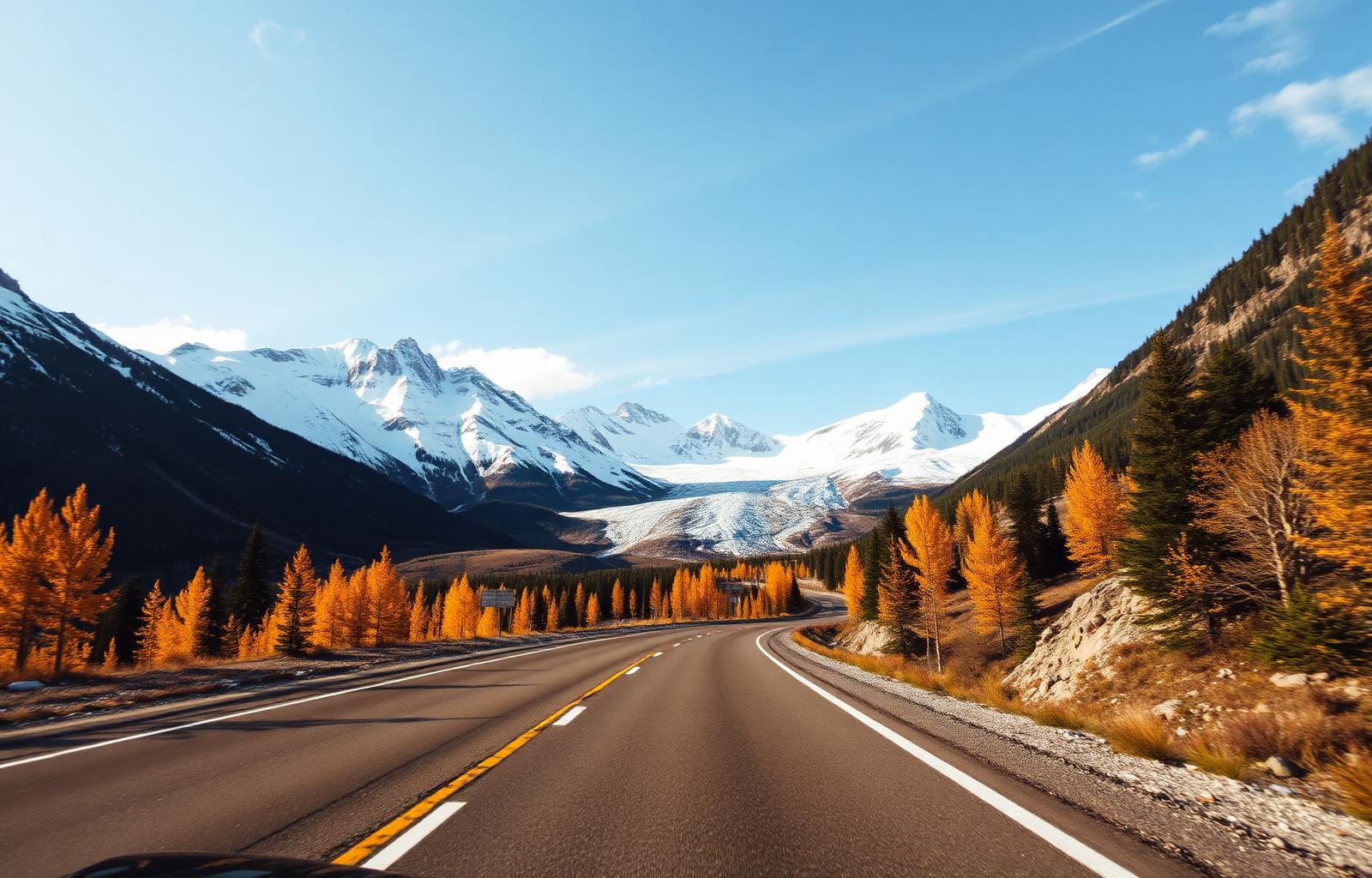
The Coquihalla (BC Highway 5), Kicking Horse Pass, Rogers Pass, and Highway 16 through Jasper all close periodically in winter for avalanche control or storms. Check DriveBC, 511 Alberta, and 511 Ontario before any winter drive. Avalanche-control closures are mandatory — there is no reasoning with the gate operator.
Prairie blizzards & whiteouts
Highway 1 across Manitoba and Saskatchewan can go from clear to zero visibility in minutes when wind and dry snow combine. If you hit a whiteout, pull off completely (not just onto the shoulder), turn on hazard lights, and wait it out. Most fatal multi-vehicle pileups happen because drivers stop on the road and get rear-ended.
When to skip the drive
Environment Canada issues blizzard, winter storm, and freezing rain warnings — take them seriously. If RCMP, the Sûreté du Québec, or provincial police are advising 'essential travel only', they mean it. Rebooking a hotel or flight is cheaper than a hospital bill.