On foot
Walking to Land's End
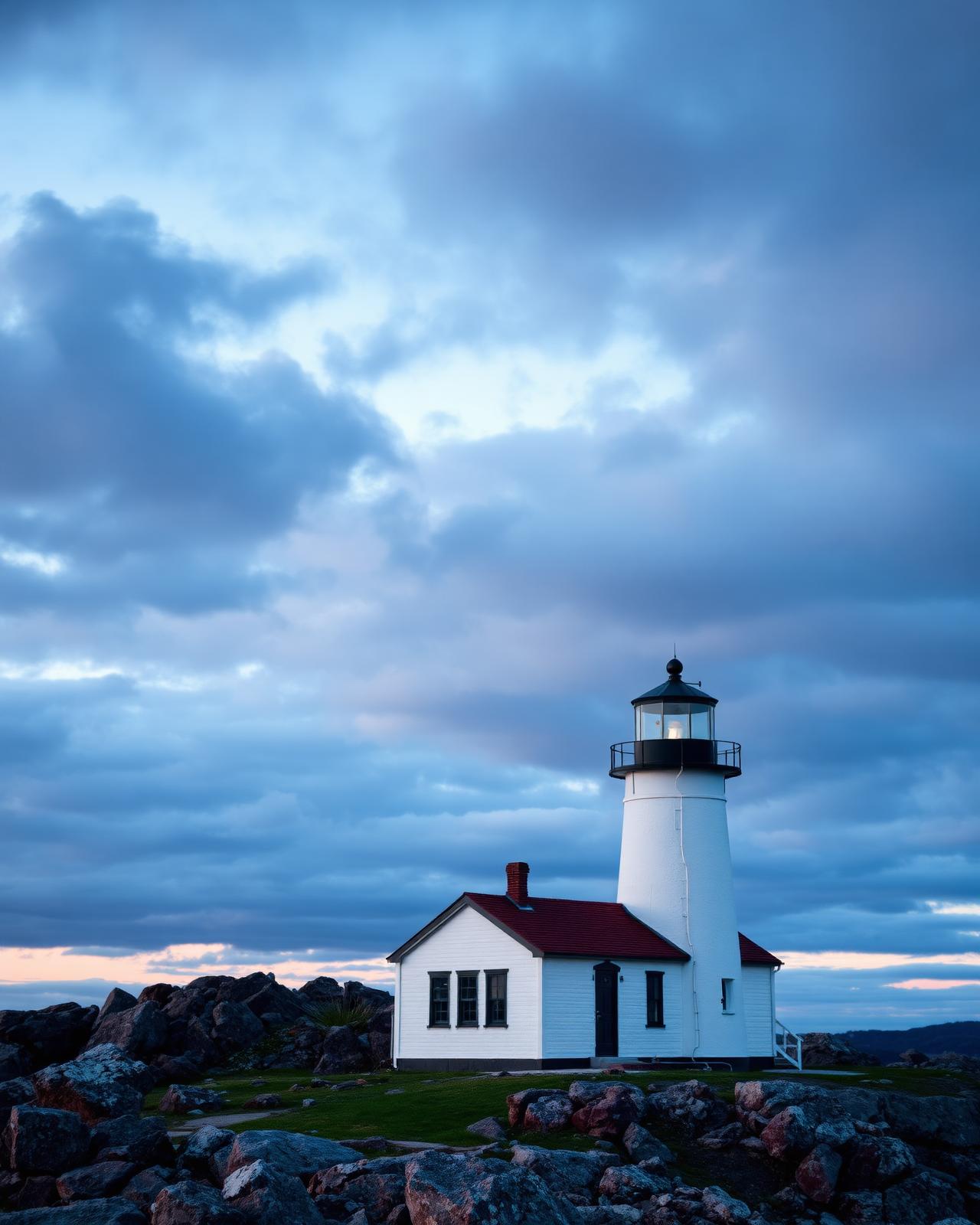
From the L'Anse-aux-Amérindiens trailhead in Forillon, the trail along the cliffs to Cap-Gaspé lighthouse drops you out into the wind at the literal end of the Appalachians.

Try searching for
Gaspésie · Québec · City Pillar
Where Jacques Cartier landed and the Chic-Chocs meet the sea.
Québec
Province
Gaspésie
Region
3 – 5 nights
Suggested stay
June – September for hiking and seabirds
Peak season
A portrait of Gaspé
On the eastern tip of the Gaspé Peninsula, the town of Gaspé is the historic doorway to North America — where Jacques Cartier raised his cross in 1534 — and today the base for the Forillon cliffs, Bonaventure's gannets, and the Chic-Choc Mountains.
Field notes
On foot
From the L'Anse-aux-Amérindiens trailhead in Forillon, the trail along the cliffs to Cap-Gaspé lighthouse drops you out into the wind at the literal end of the Appalachians.
On the map
A tour through the icons and the under-the-radar corners — laid out the way a local would walk you through.
Forillon National Park
Land's End cliffs with seals, whales, and the Cap-Gaspé lighthouse.
Percé Rock
Iconic pierced limestone arch off the coast at Percé.
Île Bonaventure
Boat trip to the world's most accessible northern gannet colony — 110,000 birds.
Musée de la Gaspésie
Town museum tracing Mi'kmaq, French, and Irish settlement of the peninsula.
3-day itinerary
Three carefully sequenced days. Add or subtract — but start here.
Day 1
Morning
Orientation walk around Gaspé centre
Afternoon
Visit Forillon National Park — Land's End cliffs with seals, whales, and the Cap-Gaspé lighthouse.
Evening
Dinner downtown; sunset stroll along Gaspé's waterfront or main street.
Day 2
Morning
Percé Rock — Iconic pierced limestone arch off the coast at Percé.
Afternoon
Île Bonaventure — Boat trip to the world's most accessible northern gannet colony — 110,000 birds.
Evening
Drive the Gaspé loop counter-clockwise — north shore first, ending with Percé.
Day 3
Morning
Musée de la Gaspésie — Town museum tracing Mi'kmaq, French, and Irish settlement of the peninsula.
Afternoon
Continue exploring or shop local makers.
Evening
Slower last night — return to a favourite spot or try something new.
Neighbourhoods
Main commercial core, hotels, restaurants
Best for · First-time visitors
Anchored around Forillon National Park
Best for · Day wandering
Where Jacques Cartier landed and the Chic-Chocs meet the sea.
Best for · Sunset walks
When to go
Cold and quiet; book ahead for any winter activity.
Deep winter; ski + festivals.
Last winter month or first signs of spring.
Shoulder; weather flips quickly.
Spring proper; everything begins to reopen.
Long days, festivals, full season.
Peak summer — book everything ahead.
Warm, popular, busy.
Sweet shoulder with fall colour beginning.
Quiet, often the best month for weather + value.
Cold returns; some places close.
Holiday markets; cold returns properly.
Budget
Smart
$170–270 / day pp
Budget hotel or hostel, public transit or self-drive, casual local restaurants.
Mid
$300–550 / day pp
Boutique 3★ hotel, rental car, signature experience (Forillon National Park), good restaurants.
Premium
$600+ / day pp
Top hotel, private guide for Forillon National Park, tasting-menu dinners.
Eat
Market
Local makers, baked goods, and gaspésie produce.
Bistros
Walk the main street for Gaspé's mid-range bistros.
Cultural
Look for Indigenous chefs and cafés telling Gaspésie food stories.
Sleep
Hotel
Gaspé's main 3–4★ downtown hotel — best location, walking access.
Inn
Smaller-scale heritage stays often run by long-time locals.
Rental
Best for stays of 3+ nights, especially for families.
Getting around
Gaspé's transit system serves the urban core.
Most of downtown is walkable end-to-end.
Useful for day trips outside the city.
Uber and Lyft operate.
Prep & tips
Insider tips from people who live there
Frequently asked
June – September for hiking and seabirds.
3 – 5 nights
Air Canada to Gaspé (YGP), VIA Rail Ocean to nearby Matapédia, or 10 hr drive from Québec City.
Forillon National Park, Bonaventure gannets, Cap Gaspé, Percé Rock.
3 – 5 nights
Costs vary — see the budget section above for Smart / Mid / Premium tiers.
June – September for hiking and seabirds.
More Canadian cities
Alberta
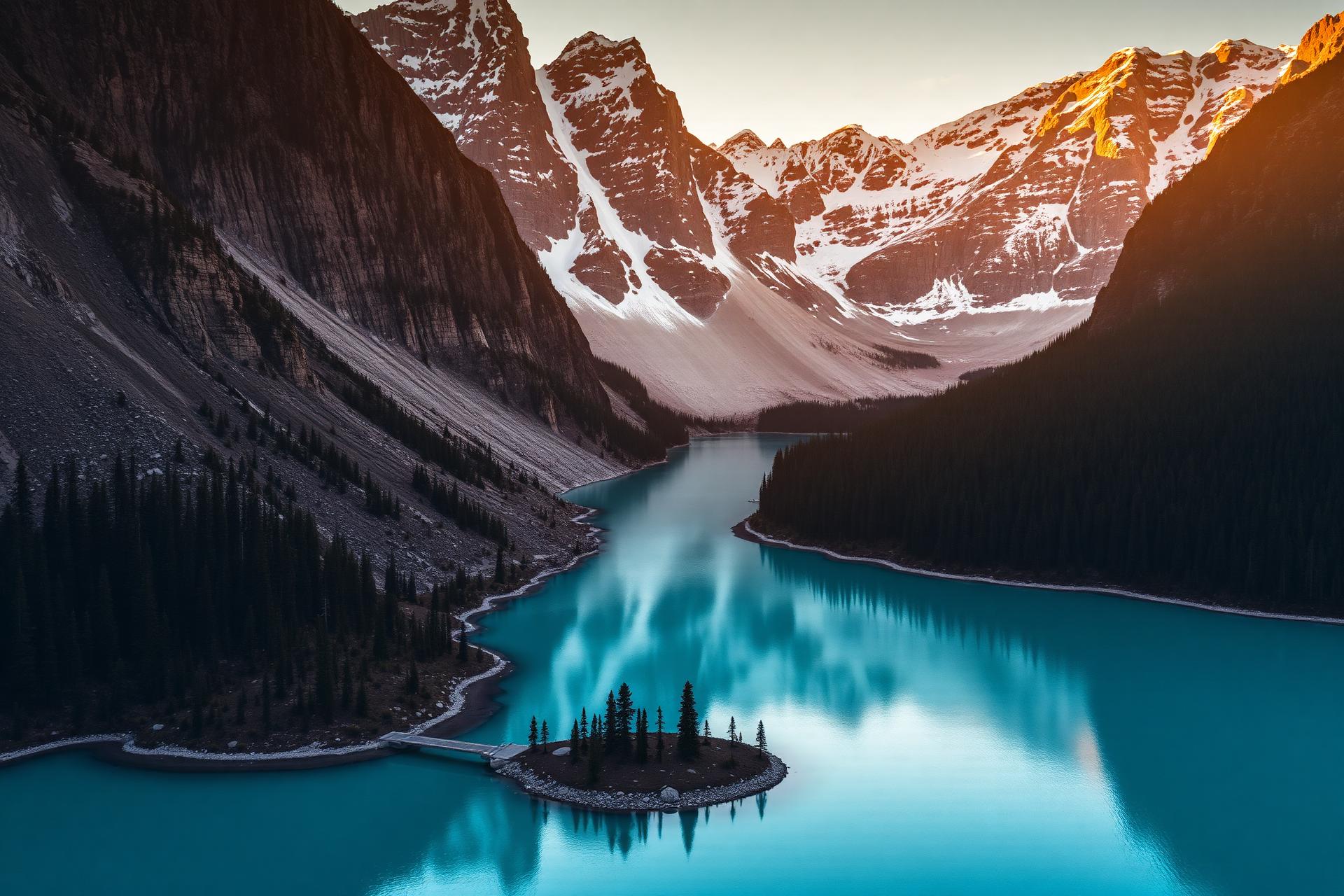
A mountain town carved into the heart of the Rockies.
Alberta
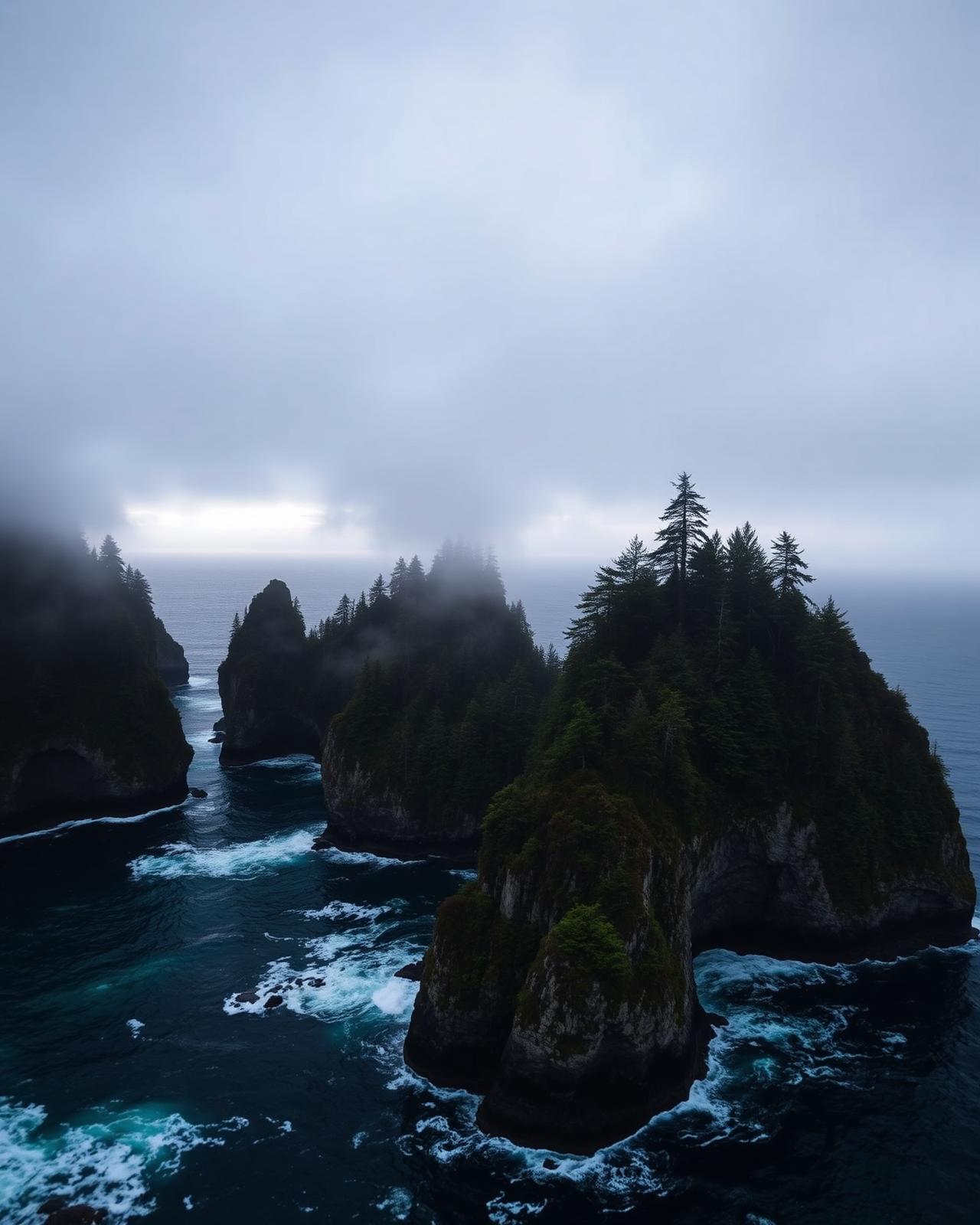
A wilder Rockies basecamp beneath dark-sky peaks.
British Columbia
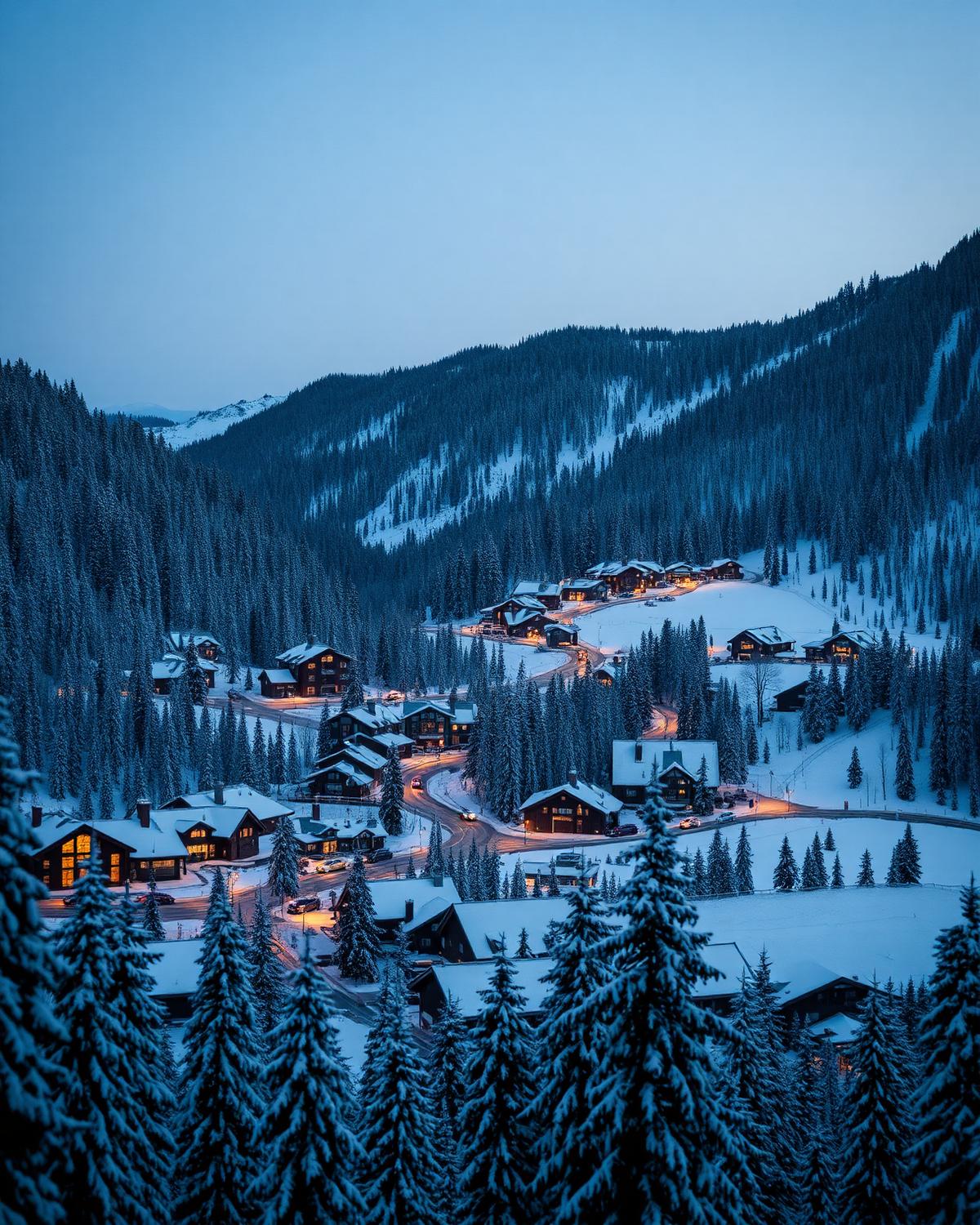
Two mountains, one village, an endless season.
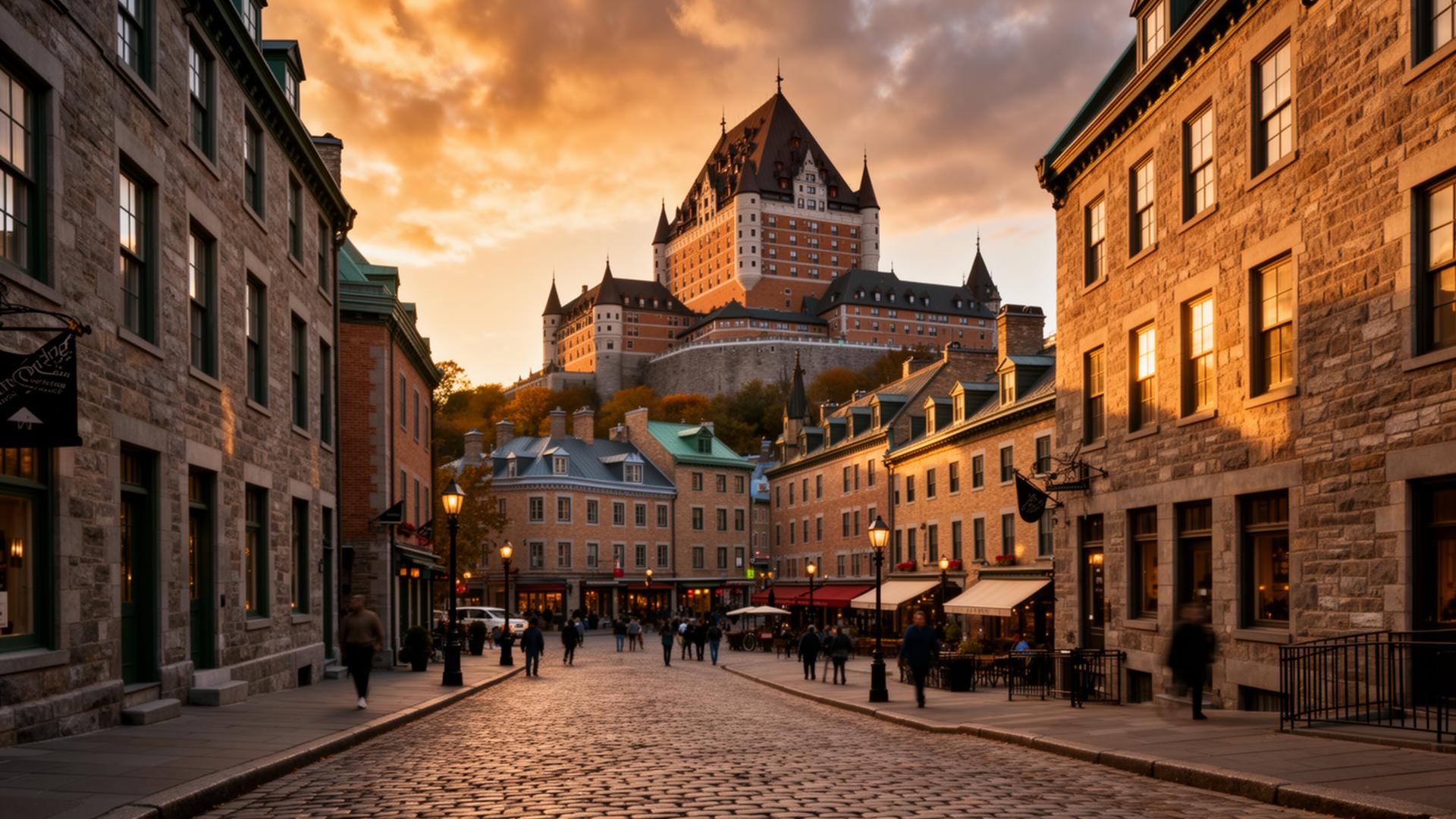
Québec
A walled European capital on the edge of the wild north.
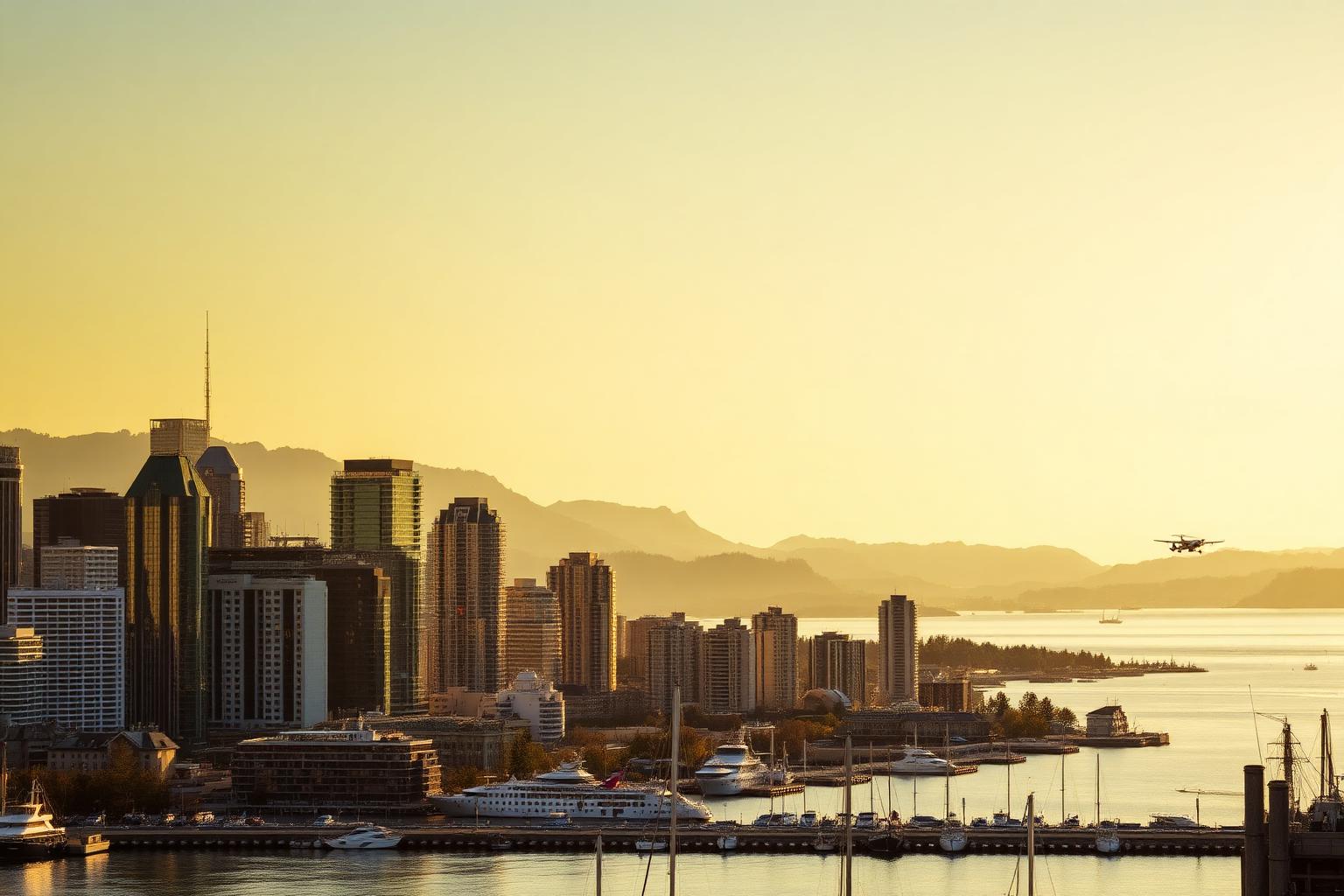
British Columbia
Where the rainforest meets the Pacific — and the skyline meets the sea.
British Columbia
Surf, storm-watching, and rainforest on Vancouver Island's wild edge.