
Atlantic · Nova Scotia
Cape Breton Highlands National Park
The Cabot Trail's high, windswept centerpiece.
Province
Nova Scotia
Established
1936
Size
949 km²
Coordinates
46.78°, -60.65°
Family friendliness
Hidden gem
Photography
Overview
About Cape Breton Highlands National Park
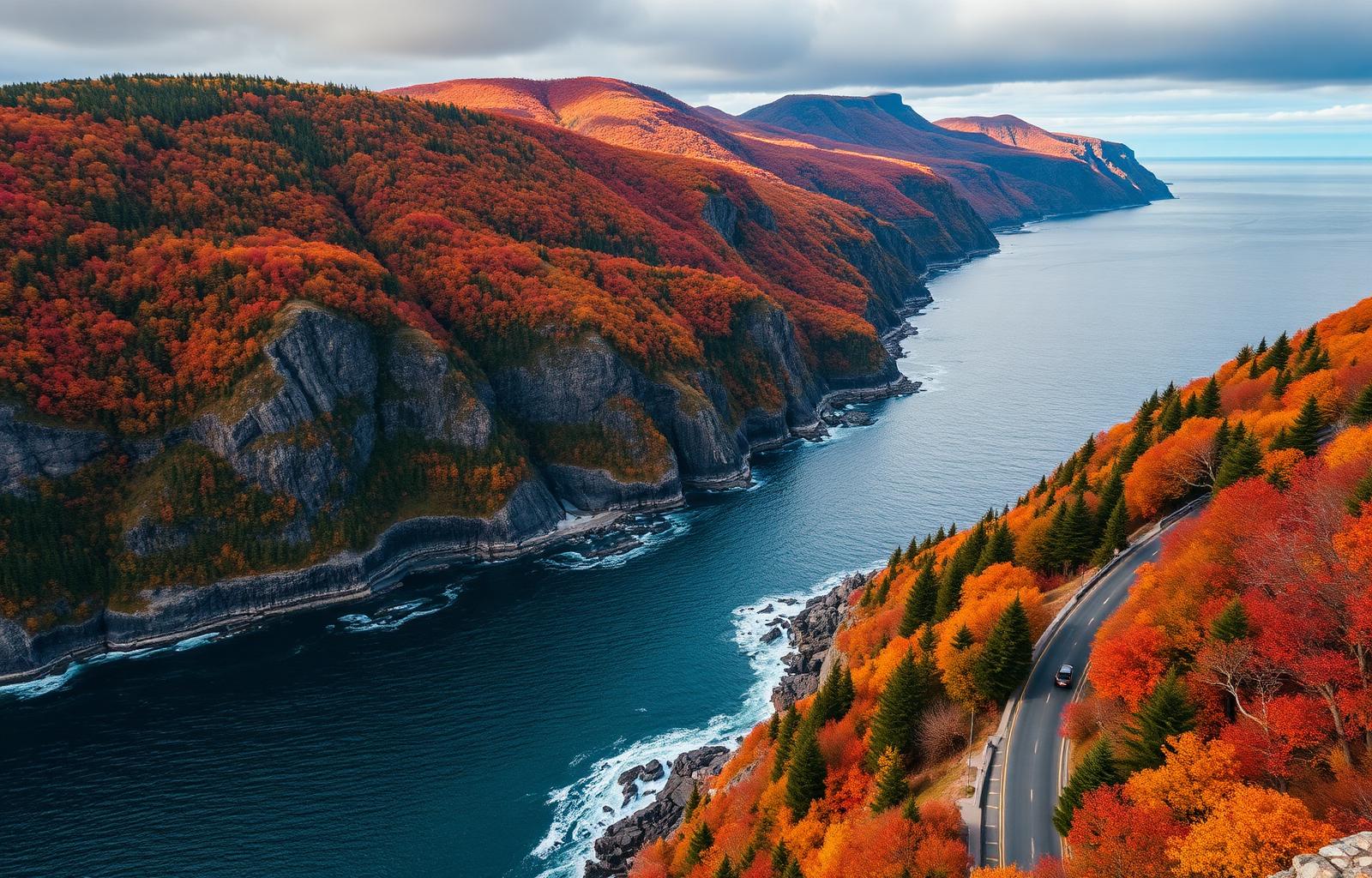
Wrapped around the Cabot Trail, Cape Breton Highlands is one of the great drive-and-hike combinations on Earth — Skyline cliffs, taiga plateaus, pilot whales offshore, and a Scottish-Acadian-Mi'kmaw cultural braid below.
Why visit
- The Cabot Trail driving route
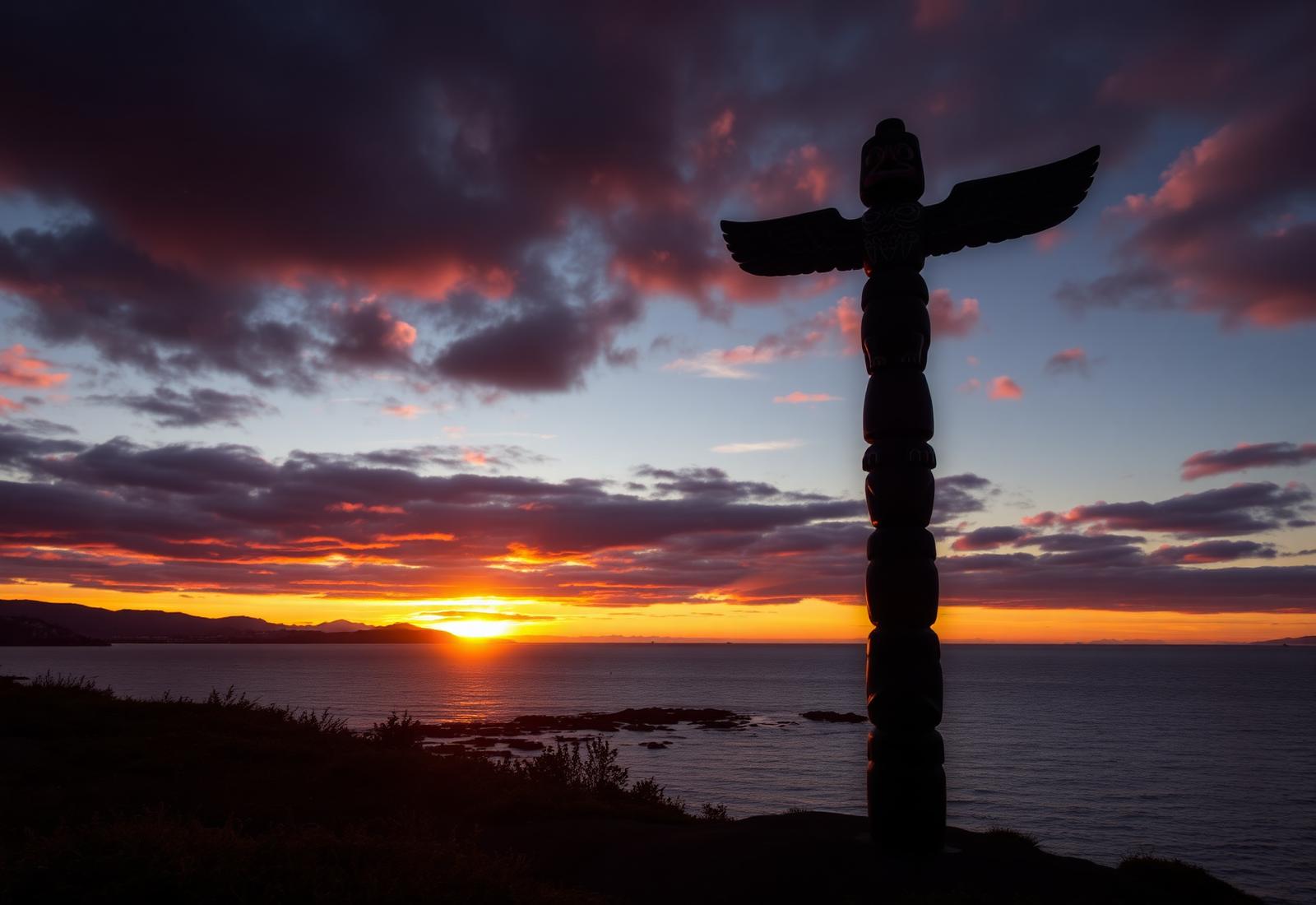
- Skyline Trail headland sunsets
- Pilot whales offshore from Pleasant Bay
- Taiga plateau wildflowers (June)
Things to do
Plan your days.
Skyline Trail at sunset
hiking
Chéticamp Campground
camping
Pilot whale cruise from Pleasant Bay
boating
Franey Trail climb
hiking
Cabot Trail drive through the park
scenic drive
Camping
Camping in the park.
- Chéticamp — Acadian side
- Broad Cove — quieter, family-friendly
- Ingonish Beach — central, full-service
Best time to visit
- Spring
- May–June: lupins, fewer crowds.
- Summer
- July–August: peak whale watching, warmest.
- Fall
- Late September–mid October: legendary fall colour.
- Winter
- Limited services; cross-country skiing.
- Peak
- Late July through August.
- Shoulder
- June or late September.
Location
Find Cape Breton Highlands National Park on the map.
46.783°, -60.650° · Nova Scotia, Canada.
Wildlife
What you'll see.
Skyline Trail at dawn for moose; coastal lookouts for whales.
Common species
Moose · Bald eagle · Snowshoe hare
Signature species
Pilot whale · Moose · Bald eagle
Wildlife safety
Coyotes have become bold — keep small children close, secure food.
Nearby communities
Where to base yourself.
- Ingonish
- Chéticamp
- Pleasant Bay
Nearby attractions
- Cabot Trail (the whole loop)
- Louisbourg Fortress
Suggested itineraries
Pick a length.
5 day
Cabot Trail loop
Two park camps + two cultural nights on the loop.
photography
Fall colour week
Time visit for early October.
Frequently asked
Common questions about Cape Breton Highlands National Park.
Can I camp in Cape Breton Highlands National Park?+
Yes. Cape Breton Highlands National Park operates Parks Canada campgrounds with a mix of frontcountry sites and, on most loops, oTENTik or backcountry options.
Do I need reservations to visit Cape Breton Highlands National Park?+
Reservations are strongly recommended for summer weekends; a portion of sites may remain first-come, first-served.
Are dogs allowed?+
Yes — dogs are welcome on a leash (max 3 m) throughout the park, but must be supervised at all times and kept off closed trails and beaches with wildlife restrictions.
Is Cape Breton Highlands National Park family friendly?+
Our family score is 9/10. Excellent for families — wide trails, interpretive programs and accessible viewpoints.
When is the best time to visit Cape Breton Highlands National Park?+
Late June through mid-October. Shoulder seasons reward visitors with fewer crowds and softer light, while winter opens its own set of opportunities (or, in the far north, closes road access entirely).
What wildlife can I see?+
Signature species include moose, pilot whales and bald eagles. Always keep at least 30 m from large mammals and 100 m from bears; carry bear spray on backcountry trails.
Can I bring an RV?+
Yes — designated loops accommodate RVs and trailers. Check site dimensions and service availability (electrical/water/sewer) when booking, as not every site offers full hookups.
How many days should I spend here?+
Three to five days as part of the Cabot Trail loop.
Nearby parks
Combine your trip.


Nearby campgrounds